
Oahu is a unique place. It’s the home of one of the largest clean tech incubators in the world, Elemental Impact, for a reason. Exorbitantly high electricity rates combined with ample natural resources make it an incredible laboratory to bring clean tech solutions to market. Rapid investment for WWII created a grid that was dependent on foreign oil. Path dependency (the idea that “what you know” becomes what you continue to do) hampered innovation and resulted in the creation of infrastructure (multiple power plants across multiple islands) that still, today, burns diesel fuel as large generators, to produce electricity for the island. Throw in a dependence on imported fuels that must come at least 3,000 miles to arrive, being the strategic hub for the entire Pacific theater of the U.S. military, one of the wildest weather years and hurricane seasons the island chain has ever seen AND the state’s economic dependency on tourism dollars, high cost of living, and low wages, and and wow – you’ve got yourself a puzzle and a half to solve in order to get the place to a sustainable future.
📌 The Core Development
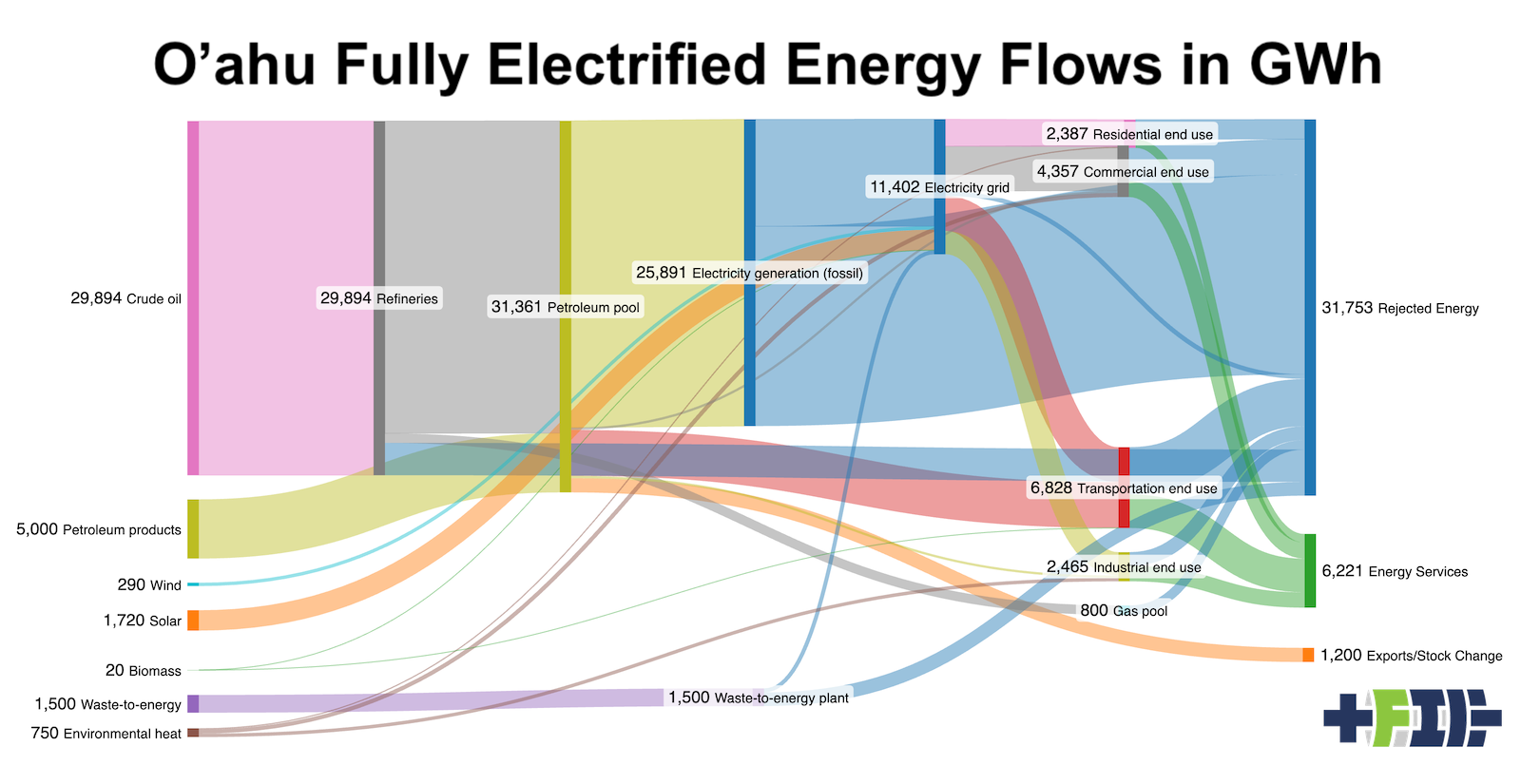
Analyst Mike Barnard loves a challenge, so he set forth to put together a roadmap to help Oahu get to 100% clean energy , which helps recirculate money in the state, lower costs, create jobs and foster economic resiliency.
🔍 Background & Sector Context
Recently I gave a talk at Hawaii Tech Week in which I summarized this report, added in my own experience running an energy efficiency service that has now greened more than 20,000 homes and is saving Hawaii residents over $10 million a year on their utility bills, and then compiled the new and coming technologies that can help the island get off fossil fuels.
📊 Industry & Real-World Impact
Mike’s report did something very important. The state’s own reporting and strategy looks at the big picture, a very difficult mountain to climb. Mike looked at that mountain and removed some of the false summits and unachievable viewpoints, resulting in a much more achievable and strategic pathway. What he did was eliminate the things we simply cannot fix right now – long distance flights, maritime bunkering, and military fuels – and tackled the problem of Oahu’s actual energy consumption for its residents. The result was that it was achievable, and there are technologies right now today that can be deployed in what he refers to as a “no regret stack” first and foremost.
Benchmark Telemetry & EV Fuel Savings
Put top supercars and EVs to the test in The Pit Stop Lab — launch head-to-head 1/4-mile drag strip battles & compute EPA electric fuel cost savings.
⚡ Prefer Visual Stories on Mobile?
Experience this news piece in an interactive 5-slide visual format crafted for mobile devices & Google Discover.
🔮 Strategic Outlook & What Lies Ahead
I combined that with my approach, which was to showcase the economic resilience it creates. Case in point, an LED bulb saves so much money on Oahu that it pays for itself in 18 days. Every day after that, it is like change plinking in a piggy bank for the person who put it in. That builds economic resiliency for those who need it most. From LEDs to e-bikes to heat pump water heaters to balcony solar – it all adds up – fast payback periods, and financial independence.
Mike comes back to the things we simply can’t fix right now and argues that the tech will come – but for the duration of the 2020s and into the 2030s, we should be installing parking lot solar canopies, agrivoltaics, heat pump water heaters, and more.


