A combination of factors means Formula 1's 2026 cars have been unusually close to the performance of their ground-effect predecessors in Mexico.
📌 The Core Development
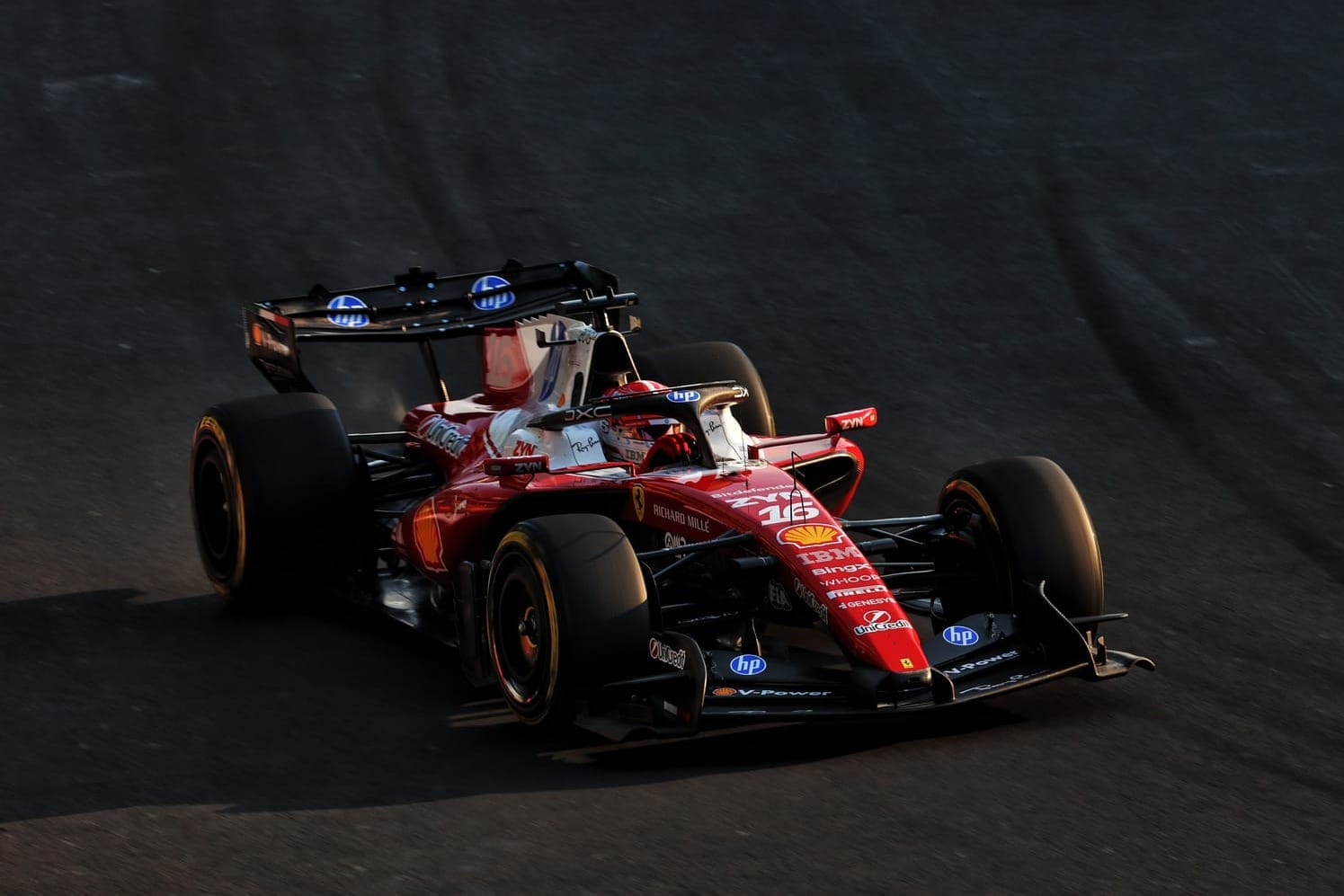
Charles Leclerc's FP1-topping time, a 1m18.128s, was 0.252s quicker than the lap he set to lead first practice in Mexico last year. That's the first time the 2026 cars have outpaced the 2025 cars in an FP1 session, having usually been two or three seconds slower.
Leclerc lowered the bar by three tenths to a 1m17.827s in FP2, though that was 0.435s slower than Max Verstappen's FP2 benchmark from last year.
🔍 Background & Sector Context
Pirelli's pre-weekend simulations had predicted a 1m17.0s would be pole position, but after Friday's running it's now predicted to be well below that.
Pole position last year - a 1m15.586s - ended up being 1.8s faster than the pace in FP2, so you'd expect the 2026 pole position to be in the low-1m16s.
📊 Industry & Real-World Impact
That should mean the smallest 2025 versus 2026 dry-weather qualifying difference of the season, with the previous closest being 1.409s in Baku.
Benchmark Telemetry & EV Fuel Savings
Put top supercars and EVs to the test in The Pit Stop Lab — launch head-to-head 1/4-mile drag strip battles & compute EPA electric fuel cost savings.
⚡ Prefer Visual Stories on Mobile?
Experience this news piece in an interactive 5-slide visual format crafted for mobile devices & Google Discover.
🔮 Strategic Outlook & What Lies Ahead
So why are the 2026 cars so competitive at the Mexican Grand Prix relative to their ground-effect-era predecessors?
The track underwent a partial resurfacing ahead of the 2026 race, with resurfacing work taking place from Turn 10 to Turn 1.