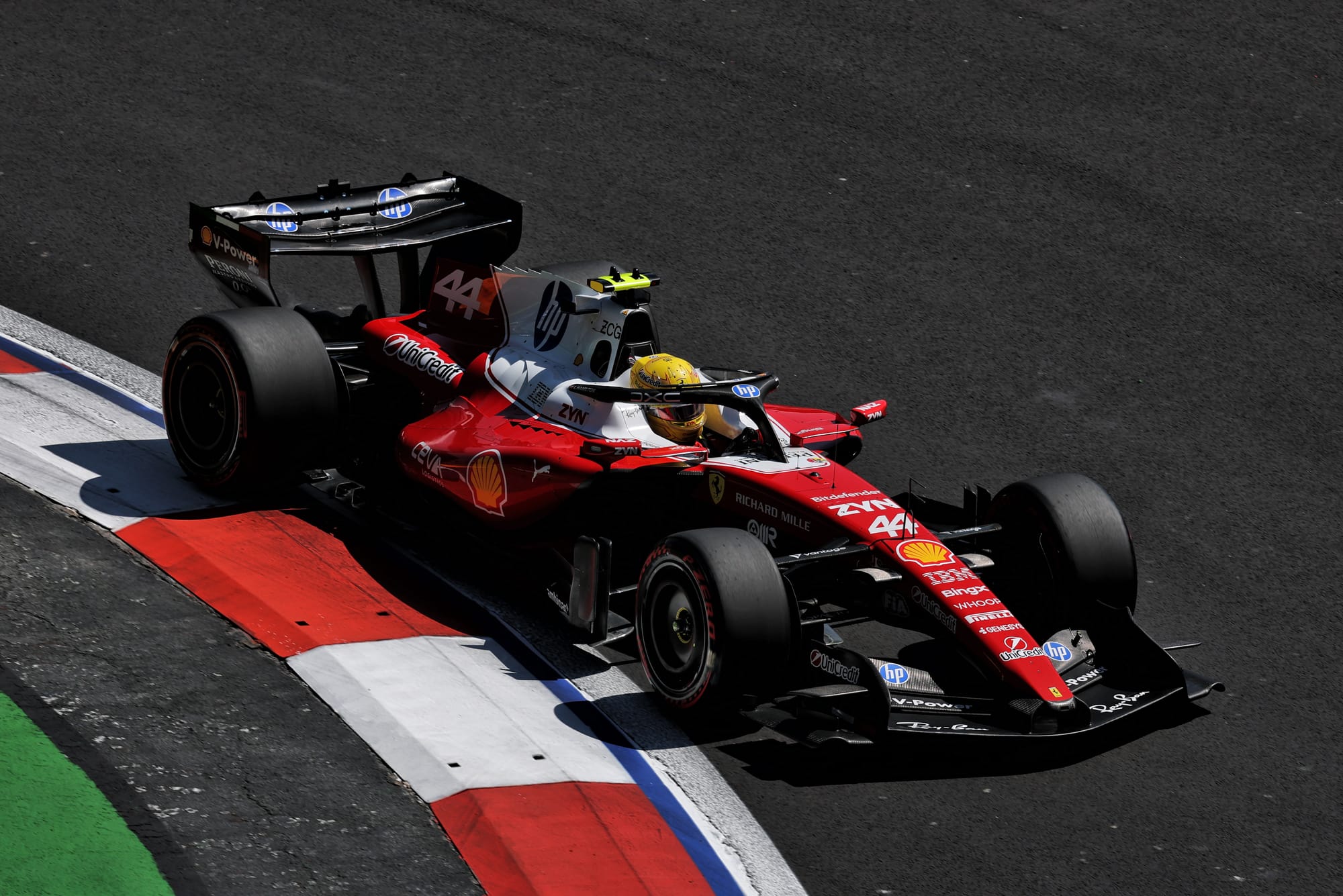
Lewis Hamilton said over the team radio after qualifying as he returned to the pits that his first pole position for Ferrari had been “such a long time coming”.
📌 The Core Development
But after a year where Ferrari had too often failed to turn promising pace into a hard result on Saturday, the reason behind him and Ferrari finally delivering was an interesting one.
The key to the breakthrough was not a major aerodynamic update, nor a track layout that especially offered Ferrari any more of an advantage than it has had at other venues.
🔍 Background & Sector Context
Instead, the answer was all about what was done before the final qualifying laps had even begun.
As Ferrari has found on too many occasions, it's been a struggle to get the car's tyres in the right operating window for qualifying.
📊 Industry & Real-World Impact
The SF-26 is known to be easy on its rubber, which pays dividends in races when you want to keep tyres cool. But it can make it more of a challenge in qualifying when you want to fire tyres up quickly.
Benchmark Telemetry & EV Fuel Savings
Put top supercars and EVs to the test in The Pit Stop Lab — launch head-to-head 1/4-mile drag strip battles & compute EPA electric fuel cost savings.
⚡ Prefer Visual Stories on Mobile?
Experience this news piece in an interactive 5-slide visual format crafted for mobile devices & Google Discover.
🔮 Strategic Outlook & What Lies Ahead
The challenge for qualifying is also about ensuring the temperatures are well balanced across both axles – so that you haven’t gone so aggressive that the fronts are sorted but then the rears are too hot.
“More often than not, you're like, 'the front tyre is not in for Turn 1, but the rears are'," said Hamilton.