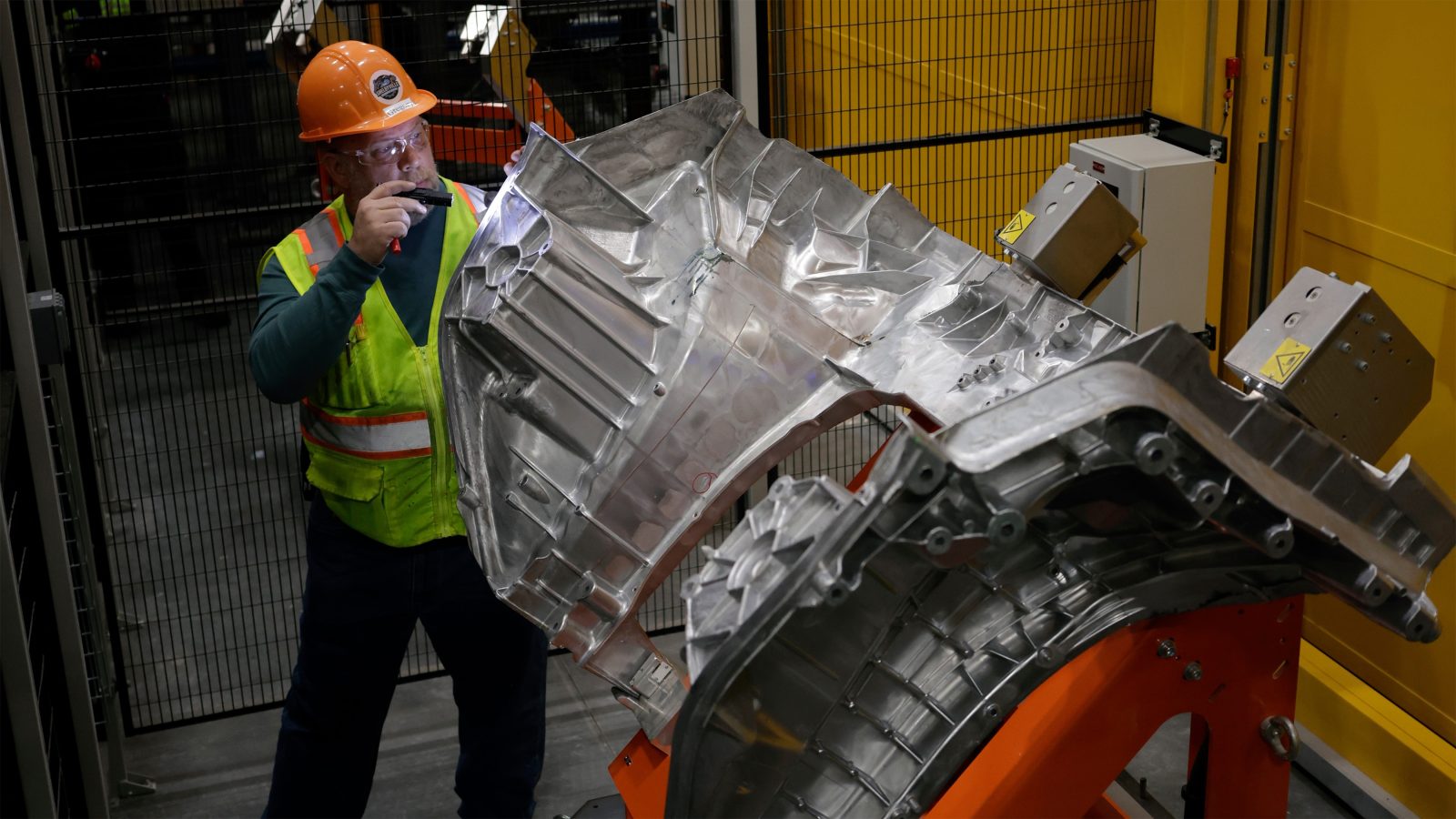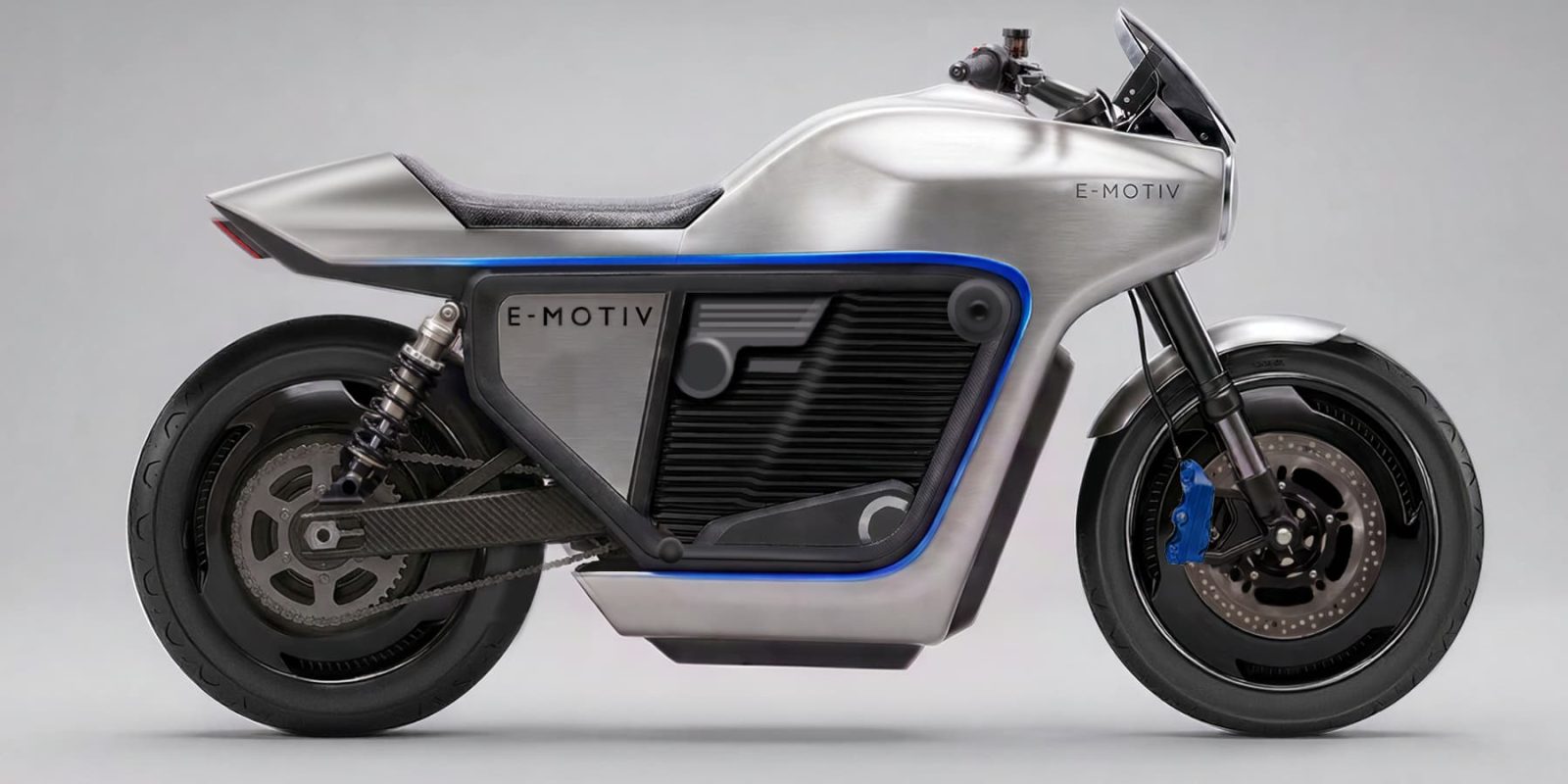
Most electric motorcycles have something in common: a single-speed transmission. But a British company is preparing to shake things up at this year’s EICMA motorcycle show in Milan, where it will unveil a new electric motorcycle demonstrator featuring an unusual two-speed transmission designed to shift gears without interrupting power delivery.
📌 The Core Development
The company behind the technology, E-Motiv Shift Systems , has developed what it calls a seamless powershift transmission, promising improved acceleration, better efficiency, and a more engaging riding experience.
Unlike conventional motorcycle transmissions, which generally require a brief interruption in power during gear changes, E-Motiv’s system is designed to maintain torque throughout the shift.
🔍 Background & Sector Context
That could offer some interesting advantages for electric motorcycles, where a lower first gear could provide stronger acceleration while a taller second gear could help optimize motor efficiency at higher speeds.
Of course, most electric motorcycles don’t actually need multiple gears, and very few have ever offered multi-speed transmissions . Electric motors produce strong torque across a wide operating range, which is why manufacturers generally prefer the simplicity, lower weight, and reduced maintenance of single-speed drivetrains.
📊 Industry & Real-World Impact
E-Motiv’s technology actually traces its roots back nearly 25 years to the Zeroshift transmission system, which eventually found its way into Aprilia’s MotoGP racing motorcycles in 2015.
⚡ Prefer Visual Stories on Mobile?
Experience this news piece in an interactive 5-slide visual format crafted for mobile devices & Google Discover.
🔮 Strategic Outlook & What Lies Ahead
The latest electric version was developed through a £1 million UK government-funded project involving motorcycle manufacturer BSA, the University of Bath, and the Institute of Advanced Automotive Propulsion Systems (IAAPS).
The demonstrator motorcycle, known as Demo 1, was conceived by British design consultancy Envisage and is being built by IAAPS. Real-world testing is scheduled to begin in early 2027.