Formula 1 drivers have got used to many quirks with the 2026 regulations, but the Mexican Grand Prix exposed one that Lewis Hamilton openly labelled “stupid”.
📌 The Core Development
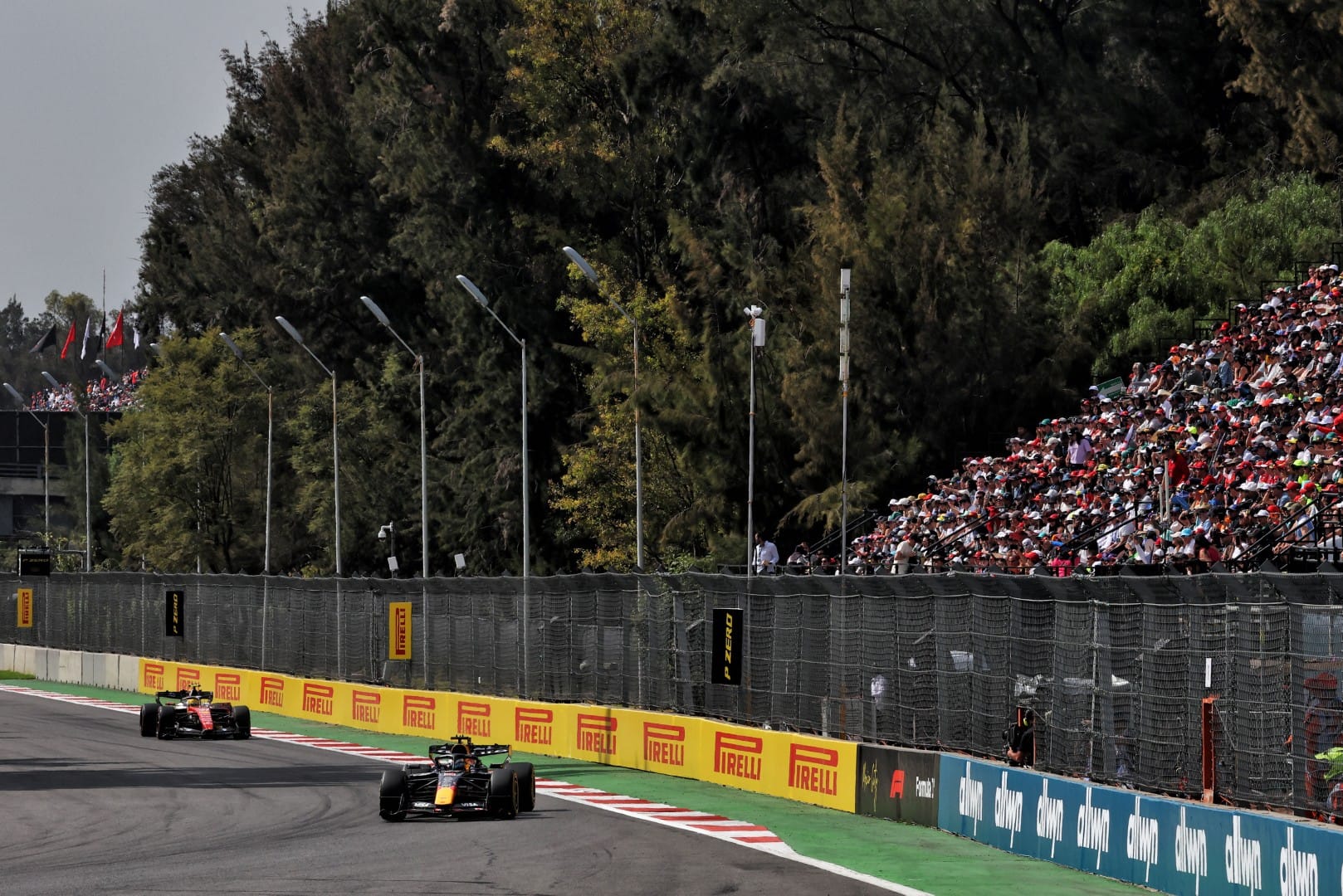
On a track that has historically been very difficult for cars to overtake at - because of the aero and cooling compromises caused by the thinner air - things were even harder this year.
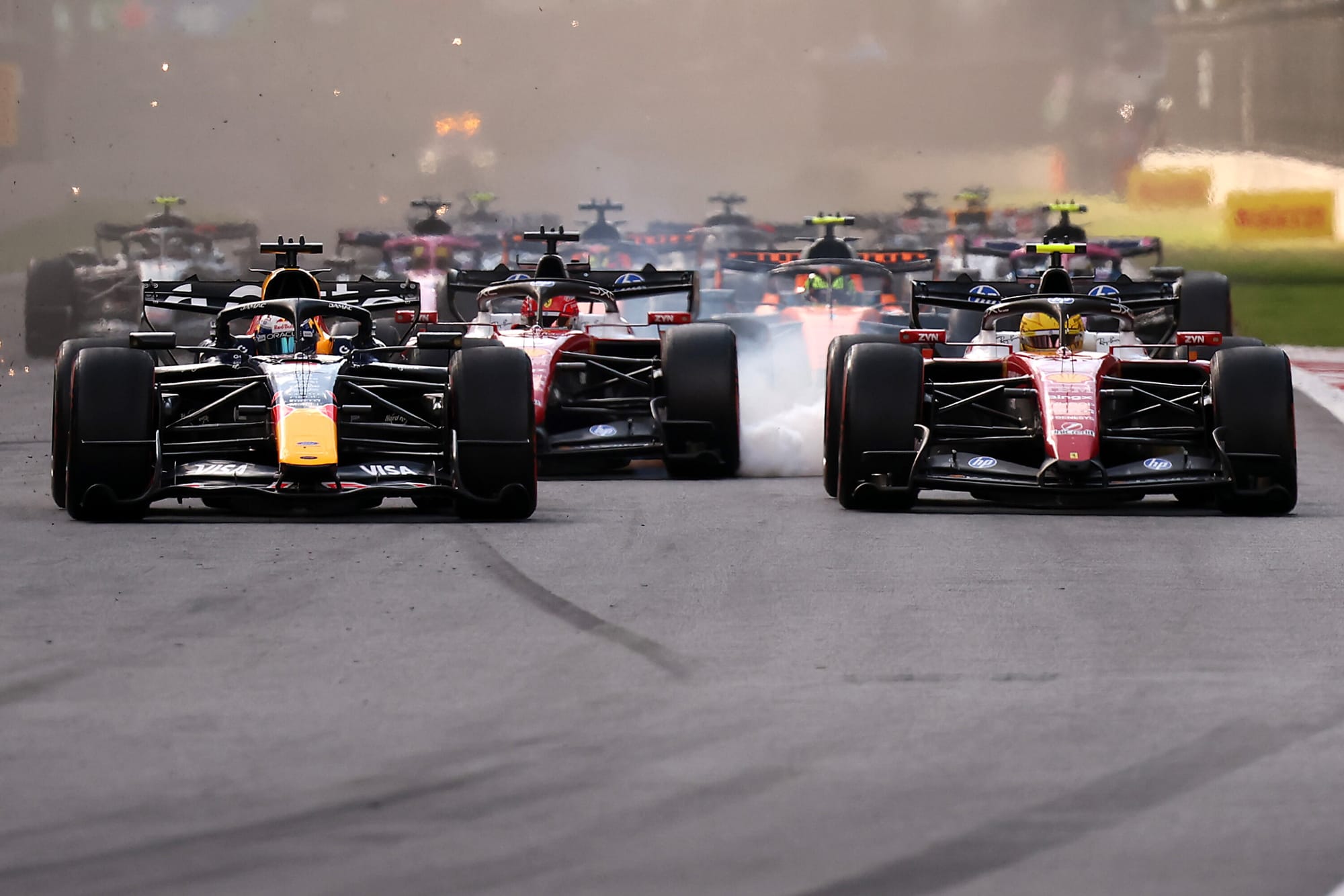
The final laps of the race highlighted that sufficient speed offsets were simply never there, as Hamilton tried his hardest to pick up leader Max Verstappen’s tow and make a move into Turn 1, plus further back Lando Norris was aiming to do the same with Charles Leclerc.
🔍 Background & Sector Context
Even with the benefit of the extra 0.5MJ of energy a driver gets for overtake mode, and a slipstream of the long run down the start-finish straight, neither Hamilton nor Norris could get close enough to make a pass stick.
The main factor holding them back was not the high-altitude venue weakening the slipstream effect in a year when the DRS advantage has disappeared for the car behind. Instead, it was the consequence of an under-the-radar 2026 rule that has effectively seen F1 operate with a speed limit.
📊 Industry & Real-World Impact
As part of the regulations to help manage the performance profile of the energy-starved cars down the straights, the rulebook imposed a deployment limit for the end of straights.
Benchmark Telemetry & EV Fuel Savings
Put top supercars and EVs to the test in The Pit Stop Lab — launch head-to-head 1/4-mile drag strip battles & compute EPA electric fuel cost savings.
⚡ Prefer Visual Stories on Mobile?
Experience this news piece in an interactive 5-slide visual format crafted for mobile devices & Google Discover.
🔮 Strategic Outlook & What Lies Ahead
It was supposed to help ensure an offset of power (and therefore speed) to help overtake mode, but in Mexico it proved to be more of a hindrance.
To help manage deployment usage, energy deployment gets restricted for cars without overtake mode once they hit a certain speed.