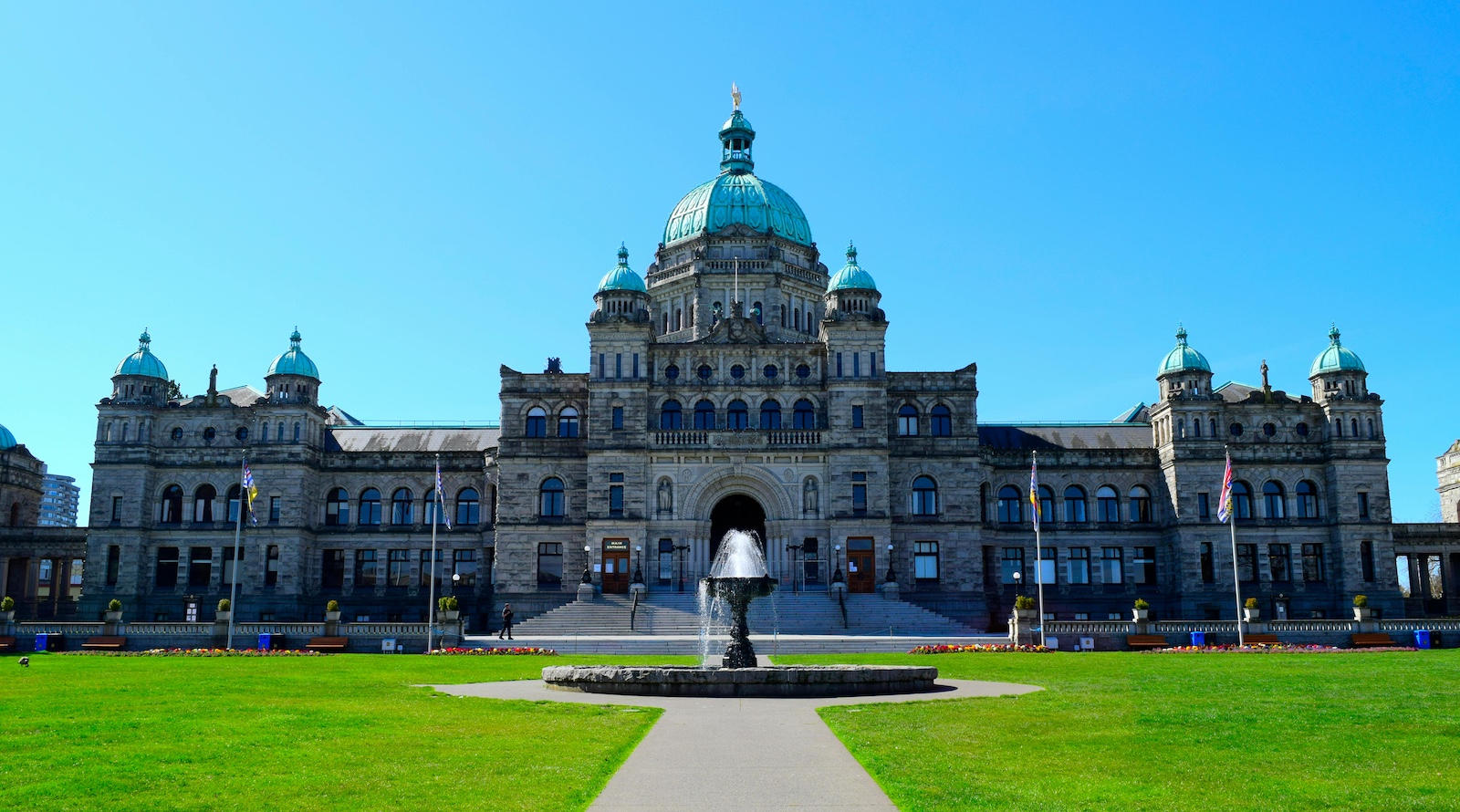
This month, the Conservative Party in British Columbia won its first major victory in nearly a century. Reuters reports that the result “marks an end to nine years of power for the left-of-center New Democrats, who voiced opposition to new oil pipelines and supported a ban on tankers along the province’s northern coast.”
📌 The Core Development
Lorne Doerkson, the leader of the Conservatives, has a long list of actions he plans to take as soon as he takes office. After the election, he said his party would double methane production by 2032 and triple it by 2035. “I believe in energy. We will cut red tape like it’s never been cut before.” He promised to “supercharge” the British Columbia economy and will host a business summit in Vancouver next year.
During the campaign, the Conservatives promised to end emissions limits, replace the province’s carbon tax framework, and reach out to energy providers that had left the province’s LNG sector since 2018, including ExxonMobil, Chevron and Woodside. How that will benefit the people of British Columbia is unclear. In polling prior to the election, a majority said their major concerns were cost of living issues, healthcare, and the ongoing trade war with the US. While the Conservatives won, voter turnout was under 50 percent for the first time in years.
🔍 Background & Sector Context
Is there an explanation for why a province that for years has prided itself on its climate friendly policies has suddenly turned its face to fossil fuels, especially LNG? There is and it is associated more with policies coming from the nation’s capitol. Prime minister Mark Carney , reacting to the insanity of the current US administration, has pledged to make Canada an “energy superpower,” one that no longer relies on refineries and pipelines in the US to power its industries, provide gasoline and diesel for its vehicles, or heat its homes.
The vote in BC may have been more of an endorsement of Carney’s agenda than an outright rejection of the provinces “green” stance over the past decade. Interestingly enough, on the campaign trail yesterday in Port Huron, Michigan, America’s so-called president told a small audience the trade war he unilaterally started with Canada may “ end pretty soon .”
📊 Industry & Real-World Impact
If that’s the case, the Canadians don’t seem to know anything about it. When he issues his blasts of bombast, the US pretend president expects people to kowtow to him, so he can brag about what a great deal maker he is. Mark Carney refused to play that game ,and responded in kind with tariffs designed to punish US interests.
⚡ Prefer Visual Stories on Mobile?
Experience this news piece in an interactive 5-slide visual format crafted for mobile devices & Google Discover.
🔮 Strategic Outlook & What Lies Ahead
The odds of the Canadian tariff war end soon are the same as the lunatic king’s insistence that the Iran war will end soon, that diesel and gasoline prices will come down soon, that interests rates will come down soon, that the economy is booming, and that interest rates will soon be the lowest in history. In sum, he is the world’s biggest BS artist and Mark Carney is one of the few who has stood up to him and called his bluff.
According to The Narwhal , an alternative Canadian news source, the Conservative platform makes only passing reference to climate considerations. It says “climate decisions” should be based on three principles — protecting people from extreme weather, reducing emissions in B.C. and beyond, and delivering measurable results. “The need to develop our natural resources must always be weighed against the need to conserve our bounty through responsible resource management,” the platform states.