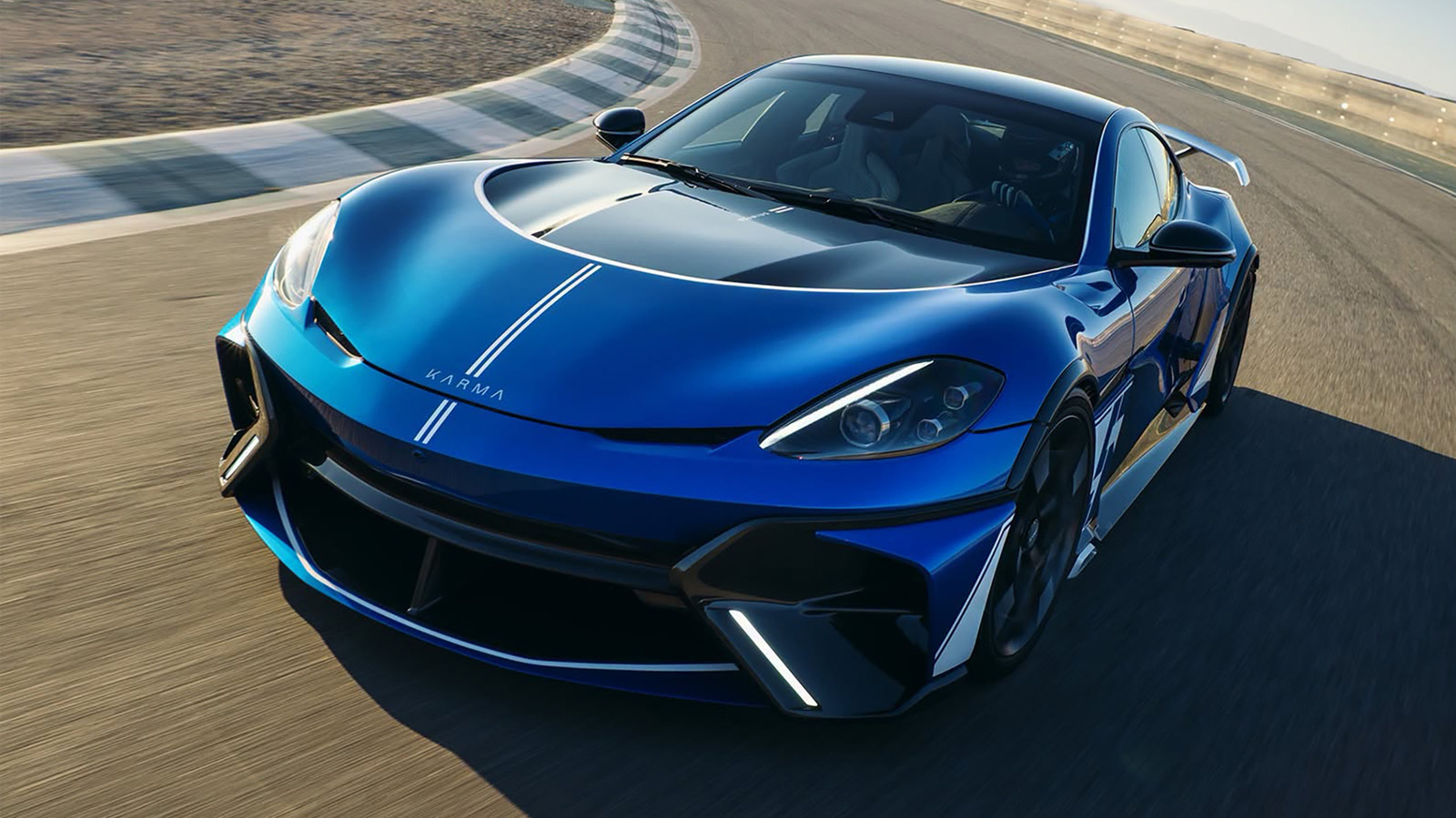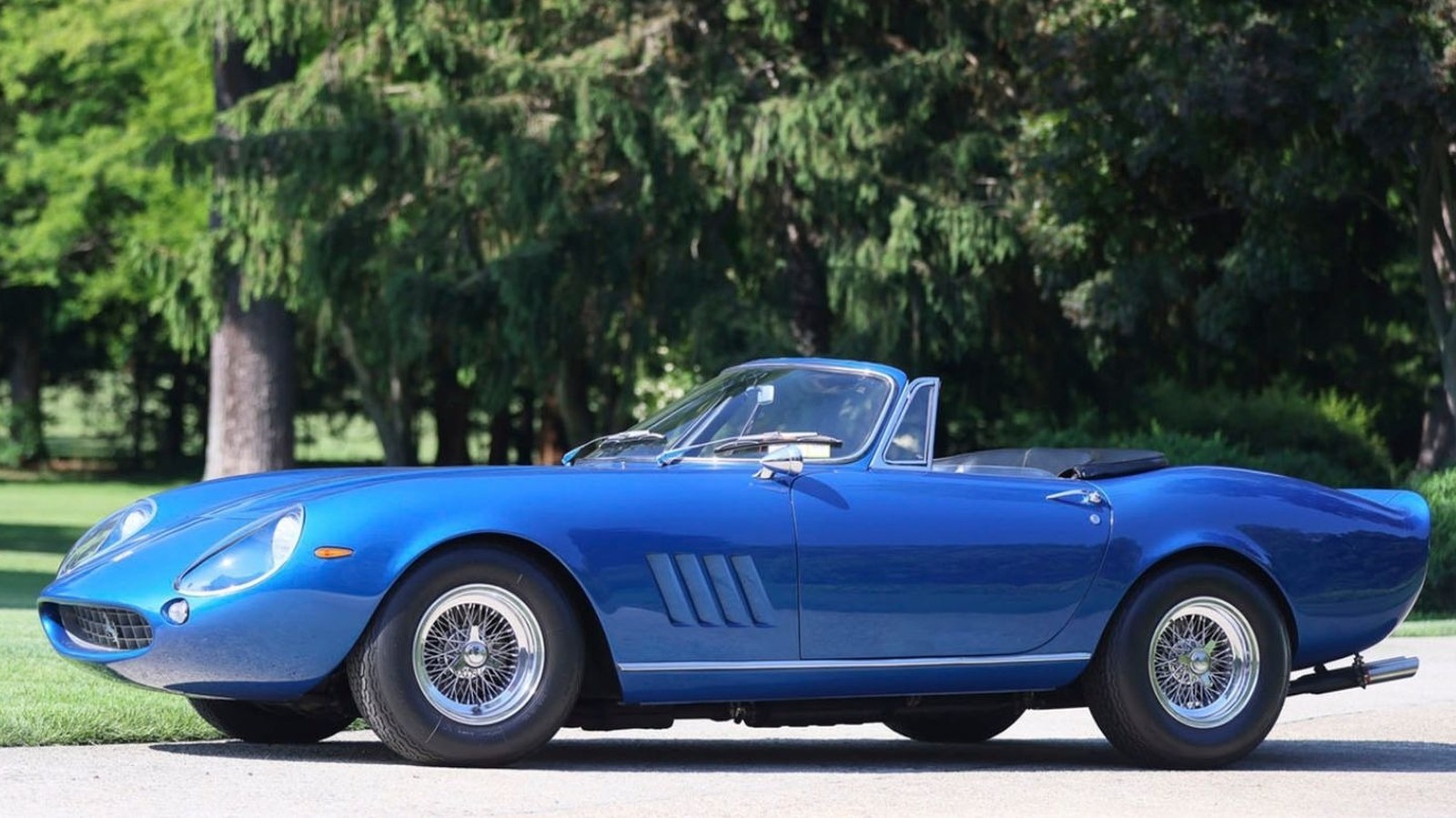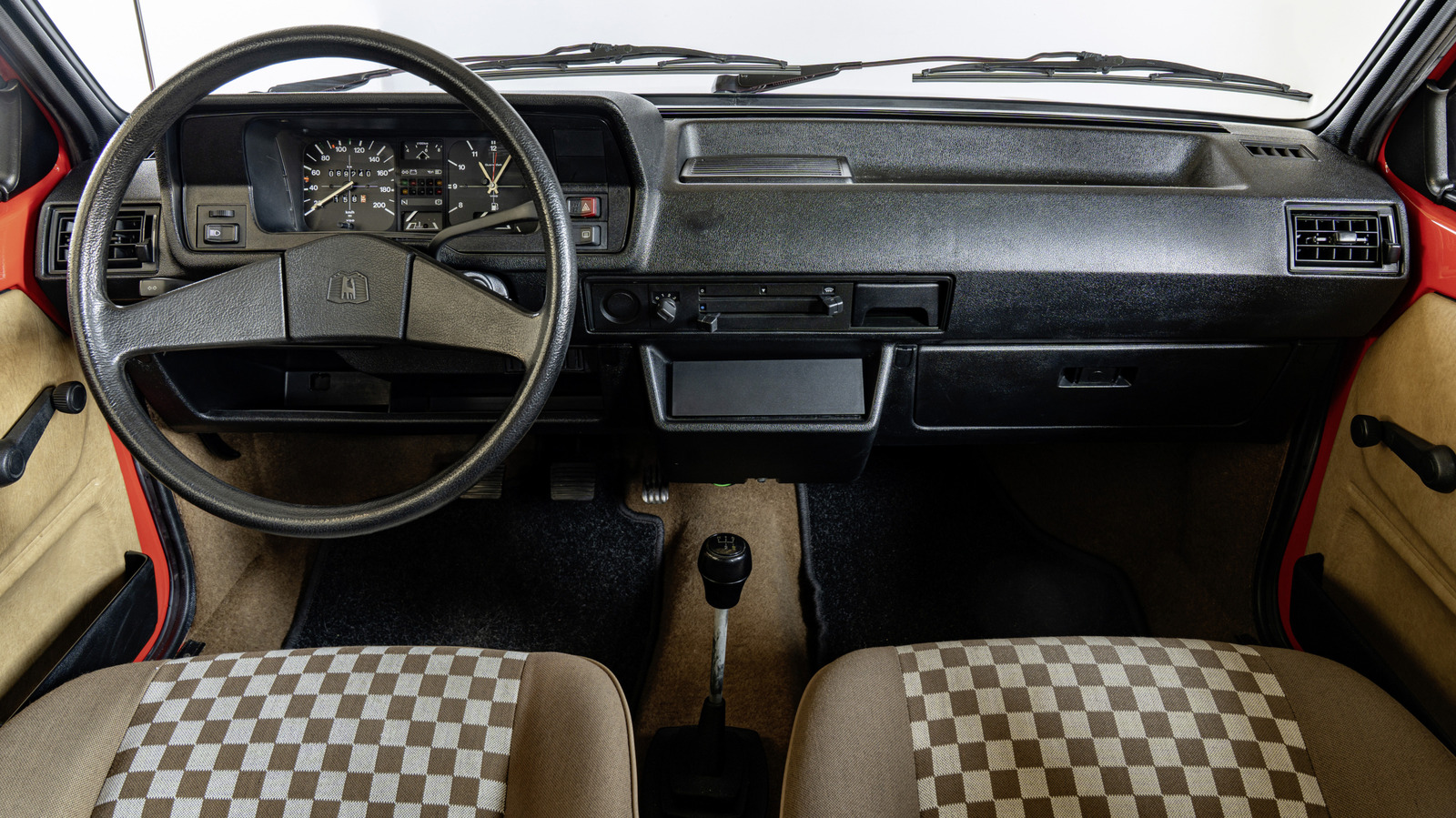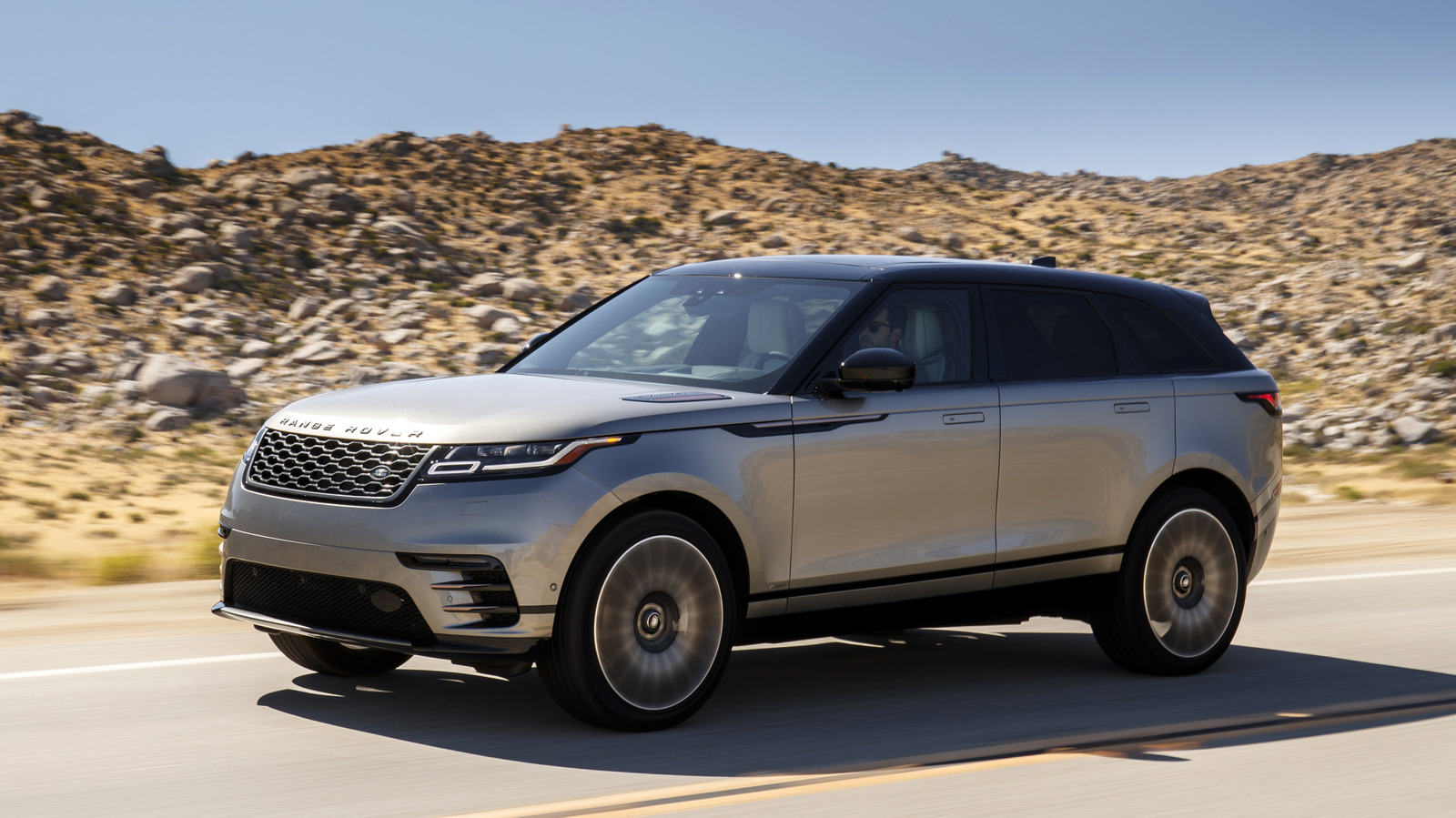
Luxury cars can differ massively from one another, but most of us make similar assumptions when describing the term "luxury car." We picture leather seats, 20-plus-inch chrome wheels, full-size silhouettes, and big displacement engines with a lot of cylinders . However, every once in a while, automakers mix things up a little and throw in an ingredient you might not expect. Four-cylinder engines are one such ingredient, and they found themselves in luxury cars from an assortment of automakers, spanning across what is almost the entire history of the automobile so far.
📌 The Core Development
We're talking Fiats from the turn of the 20th century, British executive sedans produced by Rover in the late '60s and early '70s, hybridized BMW 5 Series sedans, Range Rover SUVs, and more. What's interesting here is that, for the most part, all of these cars were and are considered successes, with rare exceptions (Facel Vega Facellia, we're looking at you), which suggests luxury car buyers aren't actually all that hung up on the engine under the hood. Without further ado, here are our seven four-cylinder luxury cars, in chronological order.
Today, Fiat busies itself with budget-oriented and retro-themed compacts mainly, such as the seemingly evergreen 500, plus its new and immensely cute Panda Grande . Wind the clock back just over 120 years to 1905, though, and Fiat was a very different automaker. It was at this point that it debuted its 60 HP model to rival equivalent models from Mercedes. This thunderously powerful car was powered by a 647-cubic-inch inline-4 with dual-chain drive and a four-speed manual transmission. A 60-horsepower inline-4 might not sound like much at all by today's standards, but in vintage car circles, this Fiat is sometimes considered to be the original supercar.
🔍 Background & Sector Context
The Fiat 60 HP had a split personality, designed to be capable both as a road-going vehicle and indeed as a racer, with removable wings and advanced cooling systems. It was also mightily expensive, commanding a $13,500 price tag in 1905, while the sole surviving example also wears a $4,000 coachbuilt touring body.
The craftsmen responsible for the body used only the finest materials available, including aluminum panels, silver solder to cover and hide fastening points, and brass mouldings to disguise the seams of the wooden framework. As for the interior, it was about as luxurious as one could expect for a car of this era, with leather seats and mohair floor mats. Remember, just owning a car in the early 20th century was a mind-boggling luxury, let alone one of this caliber.
📊 Industry & Real-World Impact
There is much that could be said about the Facel Vega Facellia that is wholly negative, but for a car so imposing and bold in design, that seems unfair, so we shall begin with its stronger points. Facel Vega knew how to do style and opulence quite well, and although the Facellia was its entry-level model, this experience is still luxurious. It was poised as an excellent alternative to Mercedes' SL series, or indeed an equally charming Alfa Romeo of the same era. Inside, the expected amenities are all there in the form of leather seats and numerous gauges set into a hand-painted woodgrain-effect dashboard. On the outside, there is plenty of brightwork to enjoy, and the Facellia shares much in common stylistically with its bigger brother, the HK500.
Benchmark Telemetry & EV Fuel Savings
Put top supercars and EVs to the test in The Pit Stop Lab — launch head-to-head 1/4-mile drag strip battles & compute EPA electric fuel cost savings.
⚡ Prefer Visual Stories on Mobile?
Experience this news piece in an interactive 5-slide visual format crafted for mobile devices & Google Discover.
🔮 Strategic Outlook & What Lies Ahead
However, what it sadly doesn't share with the HK500 is its hulking great Chrysler V8. Instead, the Facellia sported a notoriously unreliable French unit – a 115-hp 1.6-liter inline-4. It suffered from overheating issues, fragile internals, and troublesome chromed cylinder liners, which resulted in the majority of cars experiencing engine failure within the first six months of ownership. Facel Vega had no choice but to replace these engines free of charge, but those second engines didn't prove much better either. A final resolution came in the form of a genuinely bulletproof Volvo lump, but by this point, the firm's reputation was in the gutter, and the Facellia would ultimately prove a hurdle too high for the automaker.
This is a far more conventional offering than the other two covered so far. It replaced the aging P4 model in 1963, and production continued until 1977, so it was clearly a popular choice. With it, Rover successfully filled a notable gap in the UK's car market, where simple commuter cars generally sat at or below 1.5 liters in displacement, while large luxury models sported 3.0 liters or more. With its 2.0-liter inline-4, the P6 could jump between the two segments, offering a premium executive model that cost less than the larger luxury products.