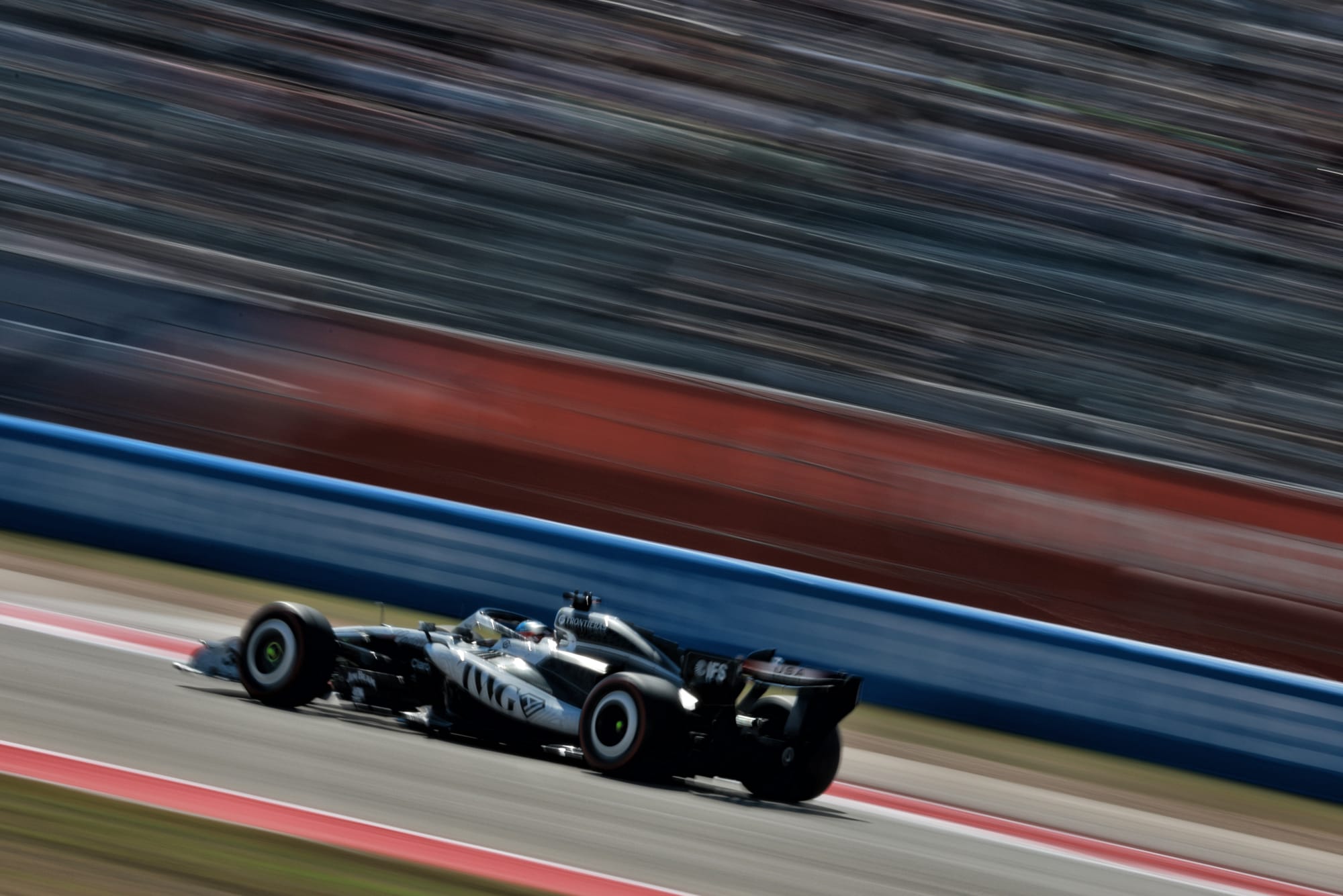
At 2,286 metres above sea level, the Autodromo Hermanos Rodriguez is by far the highest-altitude venue on the Formula 1 calendar. This naturally means thinner air, which presents a unique challenge at the Mexican Grand Prix for teams and manufacturers in two ways.
📌 The Core Development
Firstly, the lower air density means that the power unit, and particularly the turbo, is put under considerable strain in Mexico. At altitude, there are fewer oxygen molecules per cubic metre, meaning the turbo has to work harder to get the same amount of oxygen into the engine as it would at sea level.
The turbo has to spin considerably faster to achieve the required boost pressure and airflow, which presents a challenge not only in terms of outright performance but also reliability, with the turbo operating at significantly higher temperatures than under normal conditions.
🔍 Background & Sector Context
This is always a challenge in Mexico and also explains why George Russell pointed so clearly towards Ferrari as the favourites during Thursday's press conference, given that the Scuderia is widely known in the paddock to have a smaller turbo than many of its rivals. A smaller turbine wheel has less mass and inertia, allowing the turbo to spool up more quickly after the driver presses the throttle.
This helps to keep turbo lag to a minimum, and that is precisely what promises to be a hugely important factor this weekend. In 2026, this challenge has become considerably greater than before because the MGU-H has been removed and can no longer assist in counteracting turbo lag.
📊 Industry & Real-World Impact
“Last year, we had the MGU-H, so we had some support from MGU-H, but this year we don't have the MGU-H anymore, so that makes it quite challenging,” Honda’s chief engineer Shintaro Orihara said when asked about the challenges by Autosport.
Benchmark Telemetry & EV Fuel Savings
Put top supercars and EVs to the test in The Pit Stop Lab — launch head-to-head 1/4-mile drag strip battles & compute EPA electric fuel cost savings.
⚡ Prefer Visual Stories on Mobile?
Experience this news piece in an interactive 5-slide visual format crafted for mobile devices & Google Discover.
🔮 Strategic Outlook & What Lies Ahead
“For example, even just in idle conditions, we had MGU-H support to get enough boost pressure, but this year we don't have any support even in idle conditions. That is a big difference from last year and therefore turbo lag is the most interesting and important topic at this track. I think that is not only the case for Honda, but for all manufacturers. They will all struggle with turbo lag at this track.”
Besides turbo lag, there is another important factor: the extent to which the engine’s power output is affected. If manufacturers cannot achieve the desired level of turbo boost in general, Honda says this could also have consequences for how it has to run the internal combustion engine – in other words, in the worst-case scenario, with a lower power output.