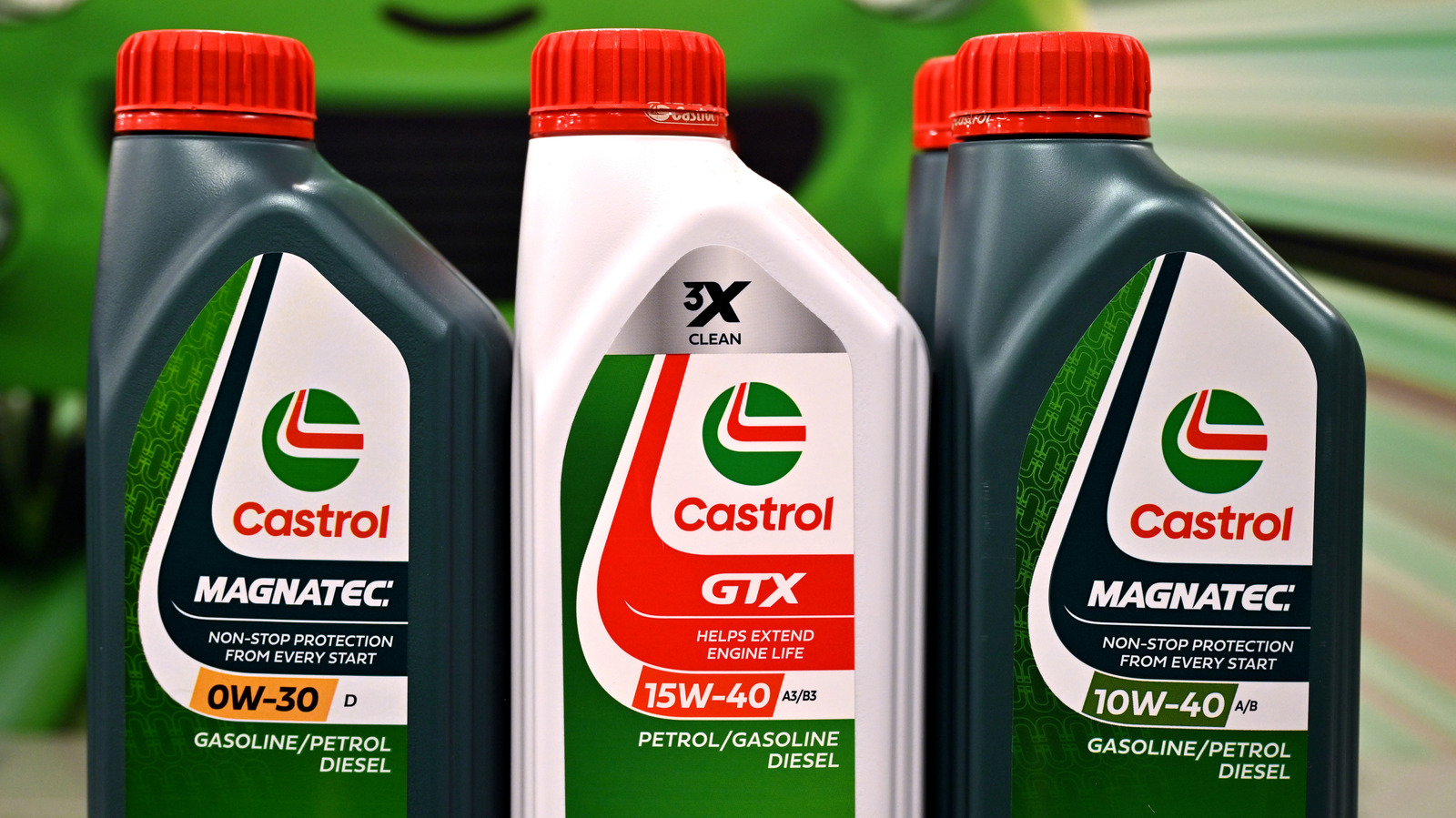
Is your motor oil rated to handle all the conditions your car will experience?
📌 The Core Development
You don't need an engineering degree to drive a car, but sometimes it can feel like you need one to buy engine oil for it . Either that or proficiency in some language you don't yet understand. Because engine oil doesn't just come in one type. There are dozens of them, all created for different engine types and use purposes. What they all have in common is the letter "W" in the code, sandwiched between some numbers. But what does it mean?
The "W" stands for "winter," and when viewed together with the numbers directly preceding it, it tells you how well the oil performs in cold weather conditions. Oil experts call this the winter viscosity grade because it refers to an oil's ability to flow at low temperatures . An oil with a low number before the W, say a 0 or 5, will flow more smoothly when cold than an oil with a higher number, such as 10.
🔍 Background & Sector Context
Oil that flows better offers more protection for the engine during the first few seconds of a cold start, when the majority of engine wear occurs. If you live in a region with tough winter weather, your engine has to endure that punishment every day, and possibly multiple times per day. Modern engines with fine tolerances tend to prefer oil with lower W ratings to protect them on startup.
The numbers aren't just plucked out of thin air by oil manufacturers, either. They follow a strict oil viscosity rating system set out by the Society of Automotive Engineers (SAE), so you know that oils from different brands will still work in your engine as long as the numbers match the automaker's specification for your car.
📊 Industry & Real-World Impact
Go back to the early days of the car, and oil was marketed as light, medium, or heavy. And even after the oil industry adopted the SAE's number-based rating system in 1926, there was still only one set of numbers printed on an oil can. You can still buy straight SAE 30 or 40 oil today, though it's best reserved for very old cars and machinery.
⚡ Prefer Visual Stories on Mobile?
Experience this news piece in an interactive 5-slide visual format crafted for mobile devices & Google Discover.
🔮 Strategic Outlook & What Lies Ahead
But this idea of choosing one oil and sticking with it presented a problem, or more accurately an inconvenience. Engineers had realized that a thin oil that prevented wear on startup wasn't so useful when the engine was hot. Because when oil gets warm, it loses some of its viscosity, meaning it gets thinner. And if it gets too thin, it doesn't provide the kind of protective buffer between engine components that's needed to prevent wear. This meant drivers often had to change from a thick summer oil to a thinner winter one when temperatures dropped, and even that solution was a compromise.
This understanding of an engine's different requirements led to the creation of multigrade oils in the 1950s. Multigrades could be thin for cold weather protection, but contained polymers to prevent the oil from getting too thin when warm. They also got a second set of numbers. The first number, the one preceding the letter "W," signals the cold-weather rating, and the second number shows how the oil performs when hot.