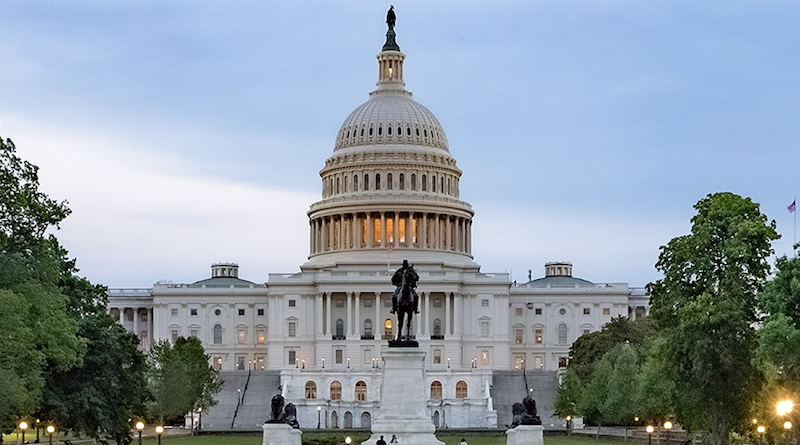
You just can’t make this stuff up. While conservatives around the world are waging holy war against the “15 Minute City” concept, US Secretary of Defense Pete Hegseth has gone all-in on the idea. His newly announced “Fortress America” military resilience plan includes a new vision for military bases that embraces walkability and quality of life. If that sounds like the 15 Minute City plan in action, it is. Oh, lordy…
📌 The Core Development
Walkable communities are as old as the hills. That’s what people did before automobiles hit the scene and cities were organized around cars. Credit for applying the walkability model to 21st century urban planning goes to the Franco-Colombian scientist Carlos Moreno, who formalized the 15 Minute City concept in 2016. The idea got a further boost of attention when the Mayor of Paris, Anne Hidalgo, pitched walkable, bike-able neighborhoods as part of her successful re-election campaign in 2020.
The COVID-19 lockdown of 2020 was also a pivotal moment, with a surge in work-from-home households drawing attention to the need for local resources as a matter of survival and resiliency in case of a widespread emergency.
🔍 Background & Sector Context
The 15 Minute City model covers a lot of ground, but the basic idea is that people should be able to do their shopping, recreation, socializing, and other essential routines within walking or biking distance from their homes, making cars largely optional within the neighborhood. Walkable access to schools and health care is also part of the plan.
The argument for 15-minute cities (also called 15-minute neighborhoods or 15-minute communities) is also pretty straightforward. Walking is healthier than sitting in a car. Avoiding injury or death from car accidents is another plus. Walking also reduces carbon emissions, and it saves money on gas.
📊 Industry & Real-World Impact
In addition, walkability levels the playing field, so to speak. Everyone in the 15-minute zone has walkable access to basic resources, regardless of whether or not they can afford a car. In other words, there is a significant equity and inclusion element to the concept…
Benchmark Telemetry & EV Fuel Savings
Put top supercars and EVs to the test in The Pit Stop Lab — launch head-to-head 1/4-mile drag strip battles & compute EPA electric fuel cost savings.
⚡ Prefer Visual Stories on Mobile?
Experience this news piece in an interactive 5-slide visual format crafted for mobile devices & Google Discover.
🔮 Strategic Outlook & What Lies Ahead
…and, that’s where the trouble kicks in. In 2022 the World Economic Forum posted an article by Lisa Chamberlain, the founder of the urban communications and business firm Strategies for City Builders. Chamberlain describes a 15 Minute City as characterized by diversified, mixed-use neighborhoods built to withstand shocks like COVID-19 and climate change.
“As climate change and global conflict cause shocks and stresses at faster intervals and increasing severity, the 15-minute city will become even more critical,” Chamberlain emphasized, with a further emphasis on equity and inclusion: