The Trump administration has already delayed implementation of the critical standards for year+
📌 The Core Development
Washington, DC — Last night during a rally in Texas, Donald Trump announced that the U.S. Environmental Protection Agency would roll back safeguards finalized in 2024 to limit methane pollution from the oil and gas sector. This dangerous reversal— revealed earlier this month by Administrator Lee Zeldin —would allow bad-actor corporations to release more climate-disrupting compounds and other pollutants into our atmosphere, jeopardizing the health and wellbeing of our families and communities.
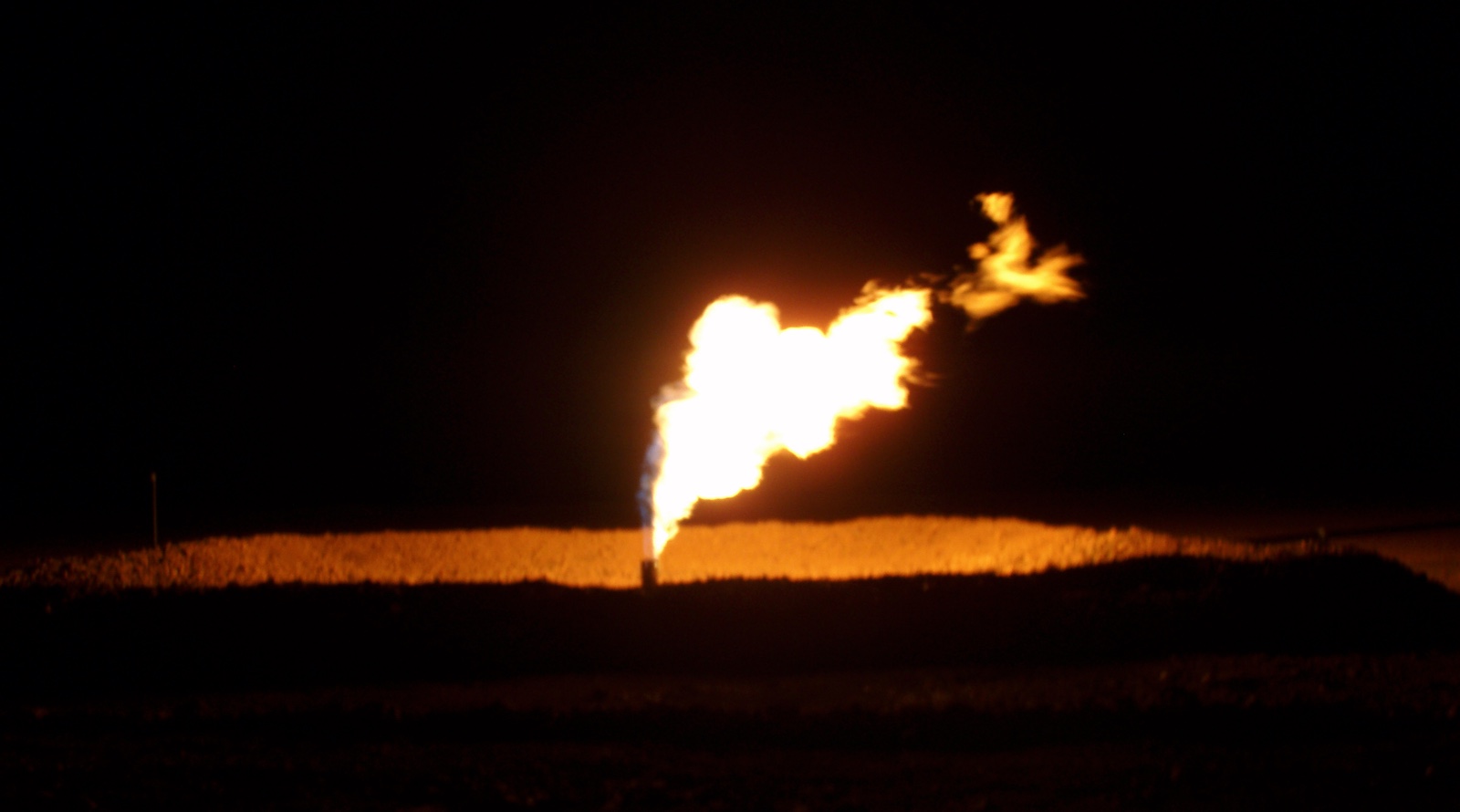
In 2024, the Biden Administration issued landmark methane standards for the oil and gas sector that significantly reduce these and other pollutants from both new and existing equipment. These safeguards are based on low-cost, commonsense practices and technologies that have been available to oil and gas operators for years or even decades. For instance, the standards require operators to capture or use gas at oil wells rather than flare it; to conduct regular inspections to identify and fix leaking equipment at well sites and compressor stations; and to use zero-emitting electric pumps and process controllers rather than gas-powered devices.
🔍 Background & Sector Context
Soon after taking office in 2025, the Trump EPA suspended the implementation of key provisions from the Biden-era standards, delaying their enforcement by up to 18 months despite no widespread evidence of compliance difficulties. Now, the EPA is preparing a proposal that would permanently eliminate some of the rule’s most important safeguards, including its ban on routine flaring at oil wells and its program to leverage third-party monitoring data to identify and stop particularly large methane releases known as super-emitter events.
The proposal would also shield low-producing wells from leak monitoring requirements, despite consistent evidence showing that such wells do not pollute less than higher-producing wells. Nearly one in ten people in the U.S. live in a county with over a thousand low-producing wells . These sources represent nearly half of the sector’s methane emissions and are primarily owned by large, well-resourced and highly profitable corporations.
📊 Industry & Real-World Impact
Cyrus Reed, Legislative and Conservation Director of Sierra Club’s Lone Star Chapter , said: “No state produces more oil and gas than Texas, and no state has more emissions of methane and associated gases than Texas, and yet the state has no state-level rules to protect us from its dangers. This proposed rollback is an affront to the thousands of Texans who have depended on and called on the EPA to protect us, and yet this proposal is designed to let so-called low-producing oil and gas wells off the hook, even though nearly half of all methane emissions come from these low-producing oil and gas wells.”
Benchmark Telemetry & EV Fuel Savings
Put top supercars and EVs to the test in The Pit Stop Lab — launch head-to-head 1/4-mile drag strip battles & compute EPA electric fuel cost savings.
⚡ Prefer Visual Stories on Mobile?
Experience this news piece in an interactive 5-slide visual format crafted for mobile devices & Google Discover.
🔮 Strategic Outlook & What Lies Ahead
Sarah Corcoran, Deputy Director of the Sierra Club Pennsylvania Chapter , said: “Policies that reduce methane waste are commonsense and cost effective. The Trump Administration is not doing anyone any favors by reducing these regulations, not the industry, not the environment and not the American people who will feel the health impacts of these decisions for years to come. Companies have repeatedly made promises to reduce methane pollution – but voluntary measures are often empty promises. We need strict, enforceable regulations in order to hold companies accountable.”
Antoinette Reyes, Sierra Club Rio Grande Chapter Organizer , said: “New Mexico cannot afford a federal retreat on methane. The 2024 EPA safeguards were designed to do basic, practical things: find leaks, stop routine flaring, catch super-emitter events, and require operators to use cleaner equipment that already exists. Rolling those protections back—including protections for low-producing wells that make up a majority of active wells in both New Mexico and Texas—would create a sweeping industry loophole. Oil and gas pollution is like secondhand smoke from the industry: communities are exposed without consent, and the people closest to the source carry the heaviest burden. With the Permian spanning both Texas and New Mexico, pollution knows no boundaries, which is exactly why New Mexico and other states must codify these methane protections into state law and make them strong enough to withstand political rollbacks in Washington.”