Tesla’s Megapack factory in Brookshire, Texas, is now officially a foreign-trade zone, a US customs program that lets manufacturers defer duties on imported parts. The FTZ Board’s approval, published in the Federal Register on Monday, runs for 14 months.
📌 The Core Development
It’s easy to read this as Tesla getting a pass on tariffs for the Chinese LFP cells inside its Megapacks. Tesla’s own application says otherwise: parts hit by Section 301, 232, or 122 tariffs still pay them.
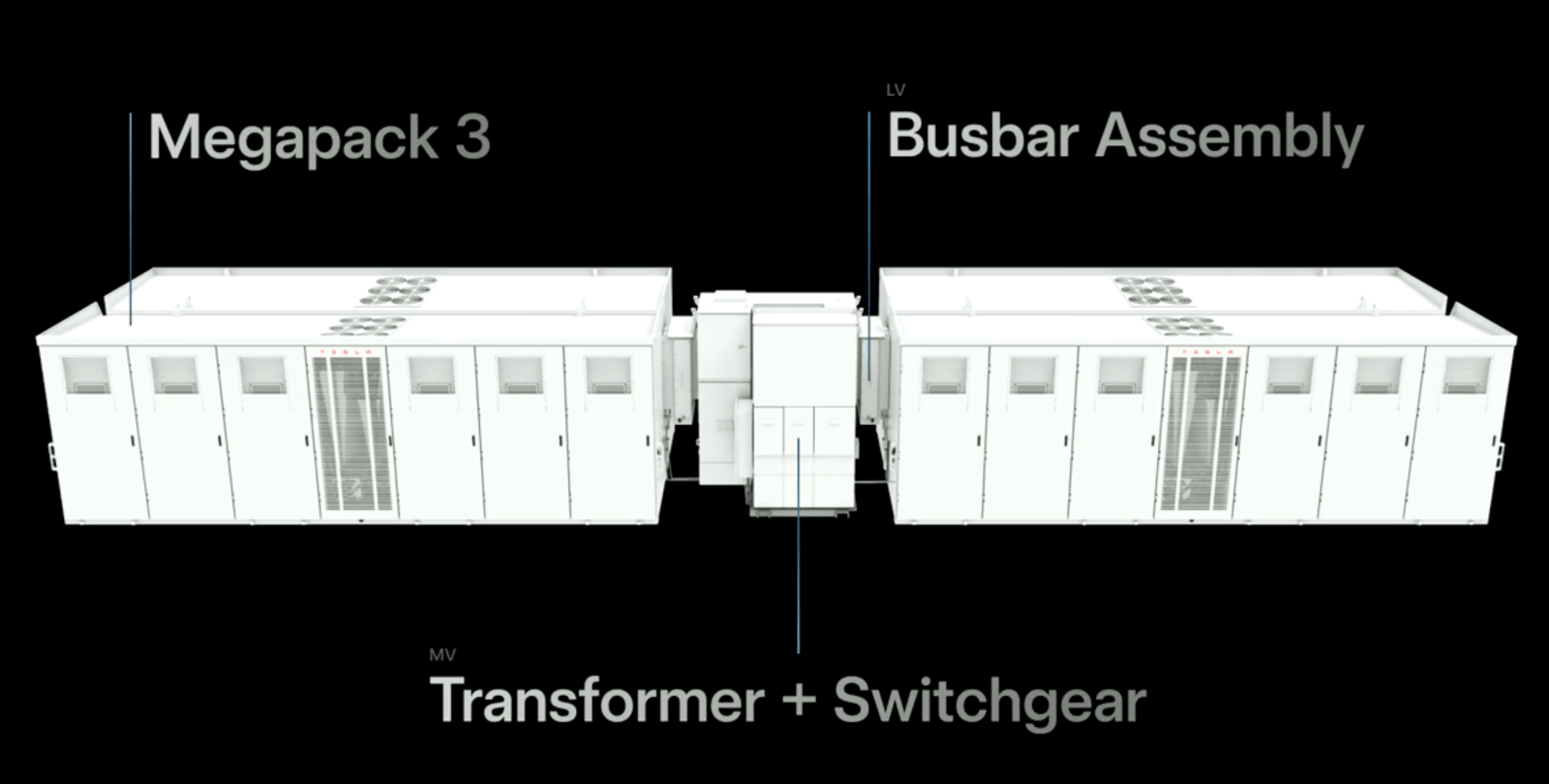
Tesla filed the request on May 20 for Subzone 84AM, part of FTZ 84 in the Houston area. That’s the factory where Tesla started Megapack 3 production in August , with a planned capacity of 50 GWh per year.
🔍 Background & Sector Context
The application lists roughly 80 imported components Tesla wants to bring in under zone procedures, from coolant pumps and transformers to busbars, wiring harnesses, circuit boards and battery cells. Duty rates on those parts go up to 6.5%, while finished Megapacks and Bento inverters range from duty-free to 3.4%.
That gap is the usual reason companies set up an FTZ. A manufacturer in a zone can normally elect to pay the finished product’s lower rate instead of the rate on each imported part.
📊 Industry & Real-World Impact
But the application spells out the limit. Components subject to duties under Section 122 of the Trade Act, Section 232 of the Trade Expansion Act, or Section 301 “require subject merchandise to be admitted to FTZs in privileged foreign status,” according to the notice.
Benchmark Telemetry & EV Fuel Savings
Put top supercars and EVs to the test in The Pit Stop Lab — launch head-to-head 1/4-mile drag strip battles & compute EPA electric fuel cost savings.
⚡ Prefer Visual Stories on Mobile?
Experience this news piece in an interactive 5-slide visual format crafted for mobile devices & Google Discover.
🔮 Strategic Outlook & What Lies Ahead
Privileged foreign status locks in a part’s own classification and tariff treatment when it enters the zone. So a Chinese LFP cell that ends up in a Megapack sold in the US still pays the Section 301 tariff on Chinese non-EV lithium-ion batteries, which jumped from 7.5% to 25% on January 1, 2026. Tesla just pays it later, when the finished Megapack leaves the zone.
The approval came with the same wording the FTZ Board has used all year. Production was “authorized on a limited basis,” and “further subject to a fourteen-month time period.”