Over the coming year, renewables’ share of total generating capacity will grow from 37.7% to 40.4%, surpassing that of natural gas and outstripping nuclear capacity fivefold, according to new data released by the US Energy Information Administration (EIA) and reviewed by the SUN DAY Campaign.
📌 The Core Development
According to the EIA’s latest “ Electric Power Monthly ” report (with data through August 31, 2026), renewably generated electricity during the first two-thirds of 2026 was 10.2% greater year over year. The growth was led by utility-scale [>1 MW] solar (up 20.0%), small-scale solar (up 12.0%), wind (up 7.8%), hydropower (up 4.2%), and geothermal (up 3.8%).
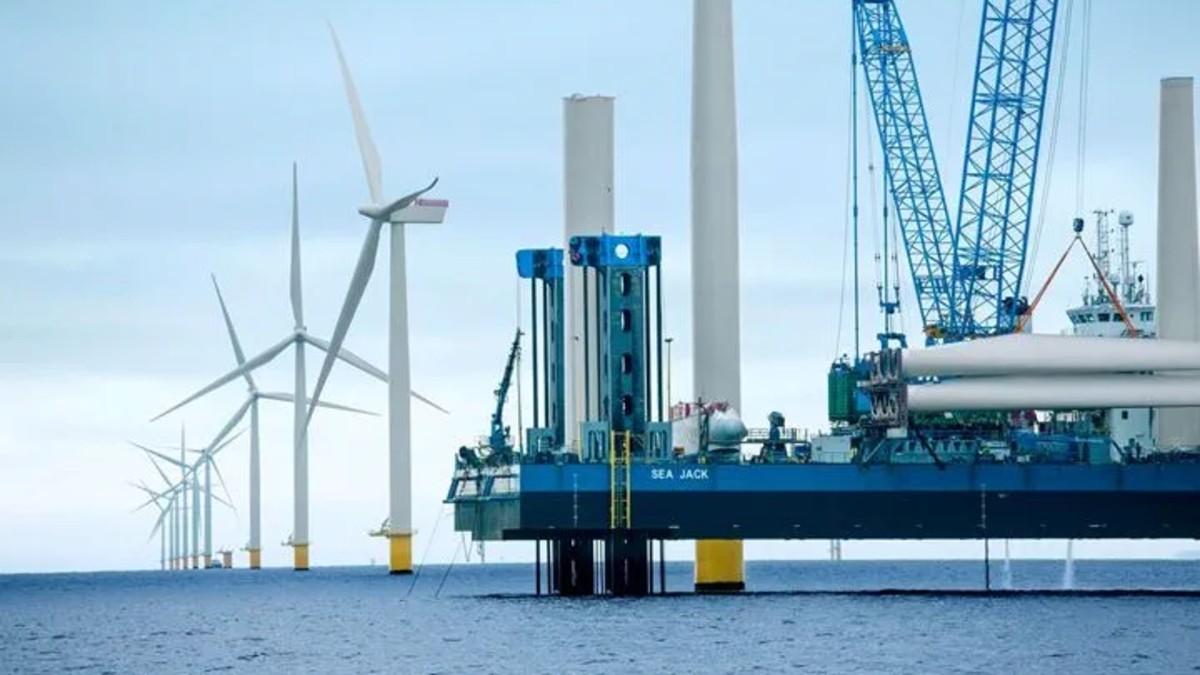
From January to August 2026, wind produced 333,367 gigawatt-hours (GWh) – 10.6% of total US electrical generation – while utility-scale and small-scale solar combined produced 329,119 GWh (10.5%), hydropower produced 180,940 GWh (5.7%), biomass produced 29,917 GWh (1.0%), and geothermal produced 10,766 GWh (0.34%).
🔍 Background & Sector Context
By comparison, the electrical output of US natural gas and nuclear power plants grew more slowly – by just 2.6% and 1.3%, respectively. Electricity produced by US coal plants fell by 8.7%.
During the first eight months of 2026, the combination of wind and solar, including small-scale solar, accounted for almost 21.1% of domestic electricity production, with wind at 10.6% and solar at nearly 10.5%.
📊 Industry & Real-World Impact
During the first two-thirds of this year, wind and solar combined produced 44.4% more electricity than coal and 24.8% more than nuclear.
⚡ Prefer Visual Stories on Mobile?
Experience this news piece in an interactive 5-slide visual format crafted for mobile devices & Google Discover.
🔮 Strategic Outlook & What Lies Ahead
Through the end of August, the mix of all renewables, including biomass, accounted for 28.1% of total US electrical generation – up from 26.2% a year earlier.
Between September 1, 2025, and August 31, 2026, the installed capacity of utility-scale solar increased by 27,141.7 MW, while that of small-scale solar and wind grew by 6,526.1 MW and 9,979.1 MW (including 800 MW of offshore wind), respectively. The combined capacity of all renewable energy sources, including hydropower, biomass, and geothermal, expanded by 43,497.9 MW.