
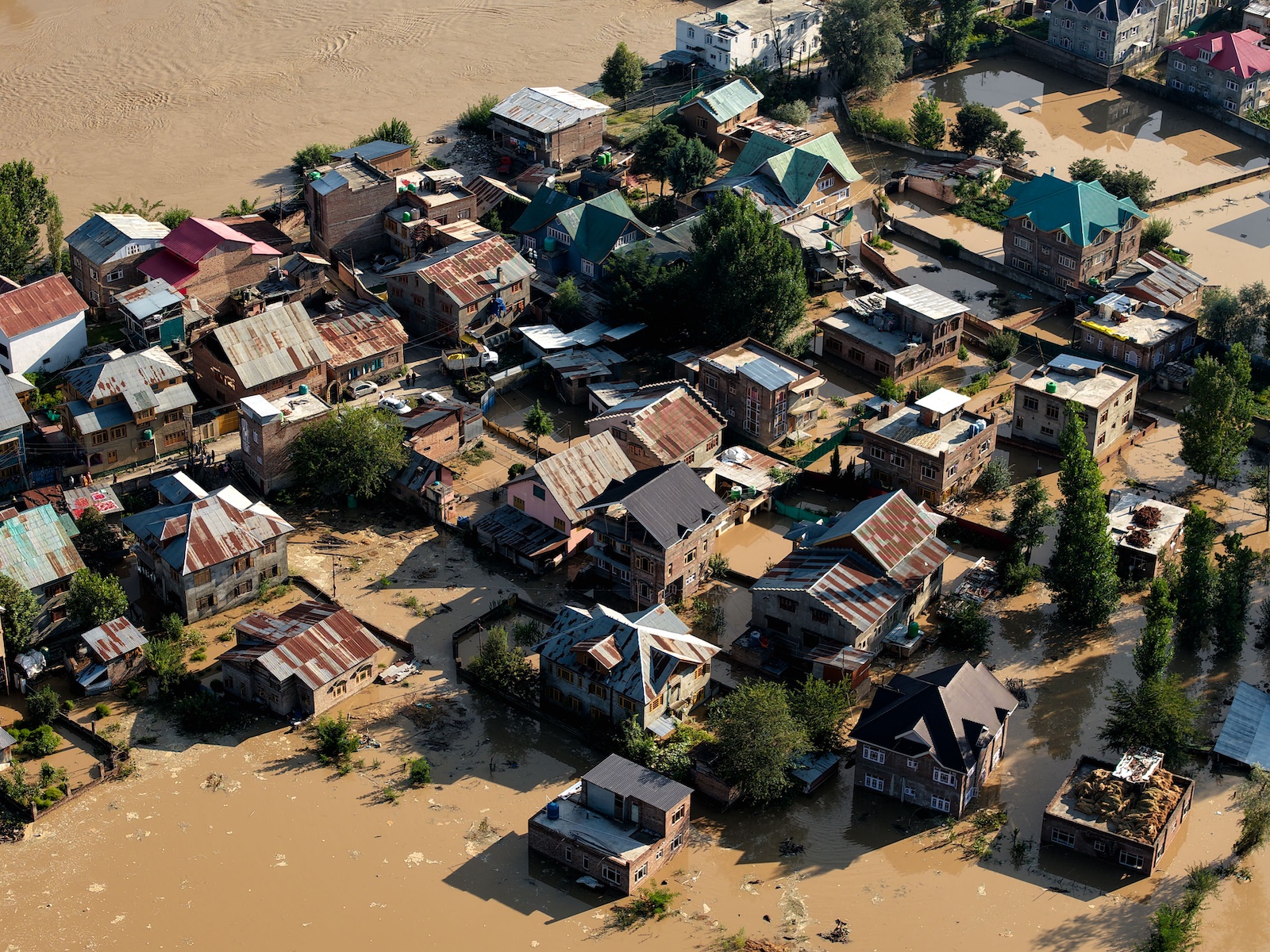
As the world is on track to exceed 1.5 degrees Celsius of global warming, climate action must double down but also go beyond emissions cuts to prioritize adaptation, respond to loss and damage, and confront growing inequality.
📌 The Core Development
For decades, climate policy has been dominated by a central question: How do we avoid exceeding 1.5 degrees Celsius of global warming above preindustrial levels? An overshoot world—where warming exceeds 1.5 degrees Celsius before potentially declining—means more than higher temperatures; it means escalating risks to the communities, ecosystems, and species already bearing the brunt of climate change, with catastrophic consequences for many coastal regions and small island states.
The United Nations Environment Programme (UNEP) report on climate overshoot challenges us to confront a reality that many policymakers have been reluctant to fully acknowledge: The world will exceed 1.5 degrees Celsius. Decades of insufficient climate action have placed us in this predicament.
🔍 Background & Sector Context
Aggressive emissions reductions can limit how far and for how long global warming exceeds that threshold. However, a future decline in global temperatures would not erase the losses experienced along the way. That reality should sharpen global climate ambition and broaden our understanding of what climate action requires. It is equally important to prepare for and respond to the escalating impacts that communities and ecosystems will experience in the decades between crossing 1.5 degrees Celsius and hopefully returning to a temperature below it.
One of the UNEP report’s central messages is that mitigation and adaptation are fundamentally intertwined, and both will be essential in navigating an overshoot world. The report also emphasizes the growing need for transformational adaptation : actions that go beyond incremental adjustments to fundamentally reshape systems, institutions, and development pathways in response to escalating climate risks.
📊 Industry & Real-World Impact
Yet there is an alarming disconnect between the scale of adaptation that is needed and the reality on the ground. Many countries are still struggling to finance and implement basic adaptation measures. Adaptation finance remains grossly inadequate, national adaptation plans are underfunded, and frontline communities continue to lack the resources needed to prepare for worsening risks. The Adaptation Gap Report 2025 estimated adaptation finance needs in developing countries at up to US$365 billion per year by 2035, while international adaptation finance flows from developed countries reached just US$35 billion in 2024 , only around 10 percent of what is needed.
Benchmark Telemetry & EV Fuel Savings
Put top supercars and EVs to the test in The Pit Stop Lab — launch head-to-head 1/4-mile drag strip battles & compute EPA electric fuel cost savings.
⚡ Prefer Visual Stories on Mobile?
Experience this news piece in an interactive 5-slide visual format crafted for mobile devices & Google Discover.
🔮 Strategic Outlook & What Lies Ahead
There is reason for optimism. After decades of advocacy, adaptation is finally receiving greater recognition as a core pillar of climate action. Negotiations on the global goal on adaptation (GGA)—which aims to enhance adaptive capacity, strengthen resilience, and reduce vulnerability—have elevated adaptation within international climate discussions. Initiatives such as the Fostering Investable National Implementation (FINI) are also helping to mobilize public and private investments to scale adaptation efforts.
What happens when livelihoods—particularly those connected to our food system—become untenable because of chronic drought, extreme heat, or repeated disasters? What happens when infrastructure designed for one climate must function in a dramatically different one; when transit and energy hubs become inoperable due to heat? What happens when fundamental changes in land use become unavoidable, and our forests and farmlands can’t keep up with those changes?


