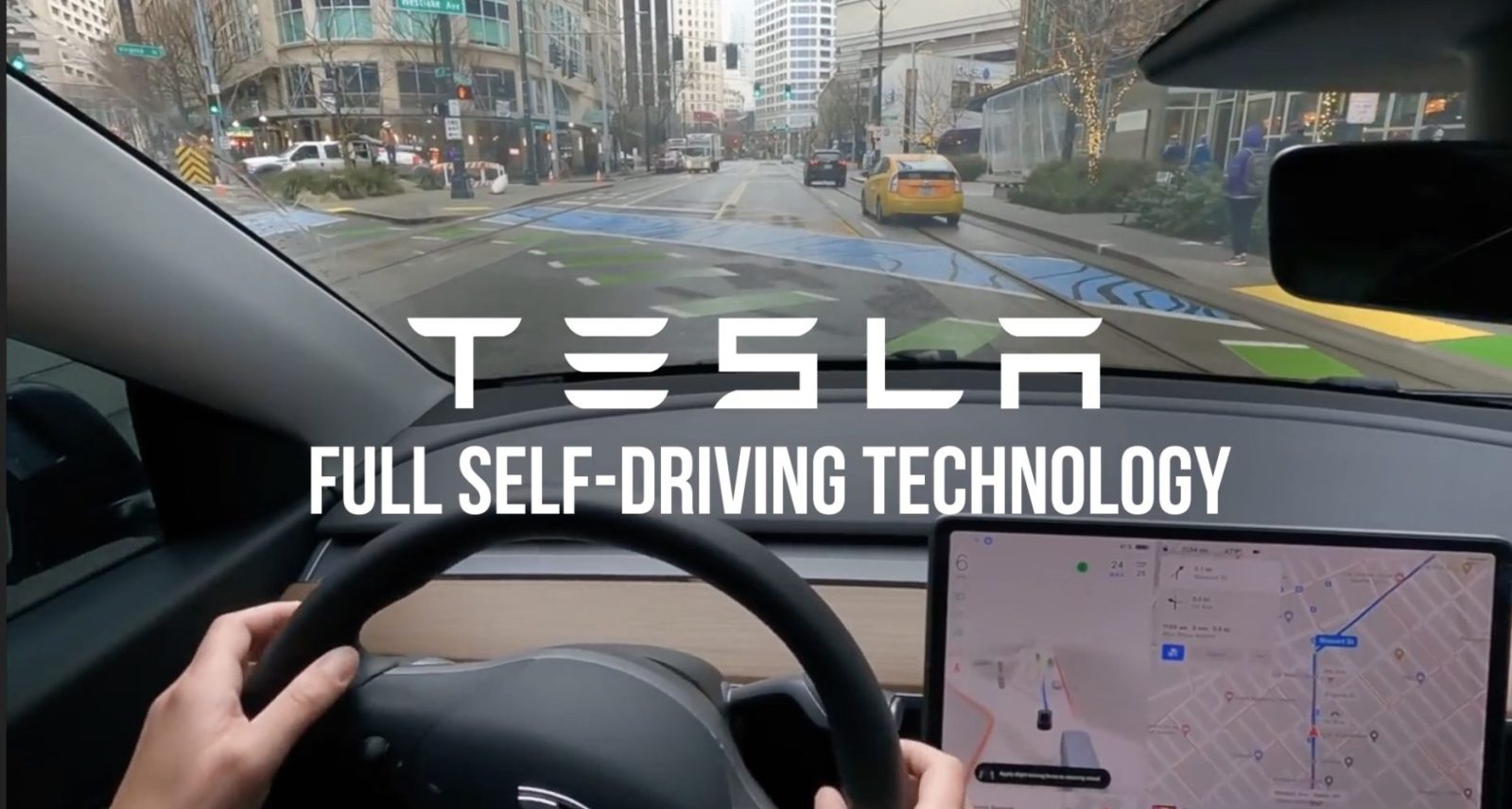
Seoul police have booked 80 people for using aftermarket devices to switch on Tesla’s “Full Self-Driving” in cars that aren’t allowed to run it in South Korea. Officers also seized 21 of the devices.
📌 The Core Development
The Seoul Metropolitan Police Agency announced the case on Tuesday. It’s the largest enforcement action yet against the FSD “jailbreak” hardware that has spread through China, Europe, and Korea over the past year.
Police say the suspects either imported the unlock modules from Europe and China or made their own. One plugged a European-made unit into his own Tesla. Another, an IT worker, built his device with information he found on GitHub.
🔍 Background & Sector Context
Suspects also swapped advice online on how to unlock FSD and how to stop the car from keeping any record that it had been activated.
They’re charged under Korea’s Motor Vehicle Management Act, which bans unauthorized software changes that can affect a vehicle’s safety. The penalty is up to two years in prison or a fine of up to 20 million won (about $15,000).
📊 Industry & Real-World Impact
The Ministry of Land, Infrastructure and Transport asked police to look into it back in April after finding signs of unauthorized activation. A police official told Korea JoongAng Daily that “safety risks were confirmed,” including the possibility of FSD misreading driving conditions. The investigation is ongoing, with police consulting the ministry and the Korea Transportation Safety Authority on the technical side.
⚡ Prefer Visual Stories on Mobile?
Experience this news piece in an interactive 5-slide visual format crafted for mobile devices & Google Discover.
🔮 Strategic Outlook & What Lies Ahead
Tesla launched FSD (Supervised) in South Korea in late 2025, but only on US-built vehicles: Model S, Model X, and Cybertruck. Those cars are exempt from Korean safety certification under the Korea-US free trade agreement. The Model 3 and Model Y, which Tesla ships to Korea from Giga Shanghai, haven’t cleared Korea’s safety standards for the feature.
And those two models are the bulk of the fleet. Citing Carisyou Data Lab, Korea JoongAng Daily reports that 47,458 of the 229,311 Teslas on Korean roads as of August, or 20.7%, can legally use FSD.