Few things are more annoying than trying to start your car and finding the battery is dead . Usually, this happens if you haven't driven for several weeks or months and the battery has slowly drained. Or, perhaps the battery has simply reached the end of its life. If it's the former, you generally won't need to rush out and buy a new battery. Instead, it's possible to charge a car's battery without unhooking the terminals, removing it from the car, or having to enlist a mechanic .
📌 The Core Development
There are many different car chargers on the market, ranging from less than $50 to more than $200. They work as you'd expect, slowly charging the battery over several hours. However, you need to follow a few key steps to charge a car battery safely.
First and foremost, pop the hood and find your car's battery. In most older vehicles, the battery sits on one side of the engine and is easy to spot. In newer cars, it may be hidden beneath a plastic cover you'll need to remove. In some cases, there might not be a battery in the engine bay, as with the Alfa Romeo Giulia Quadrifoglio we drove , which has its battery in the trunk.
🔍 Background & Sector Context
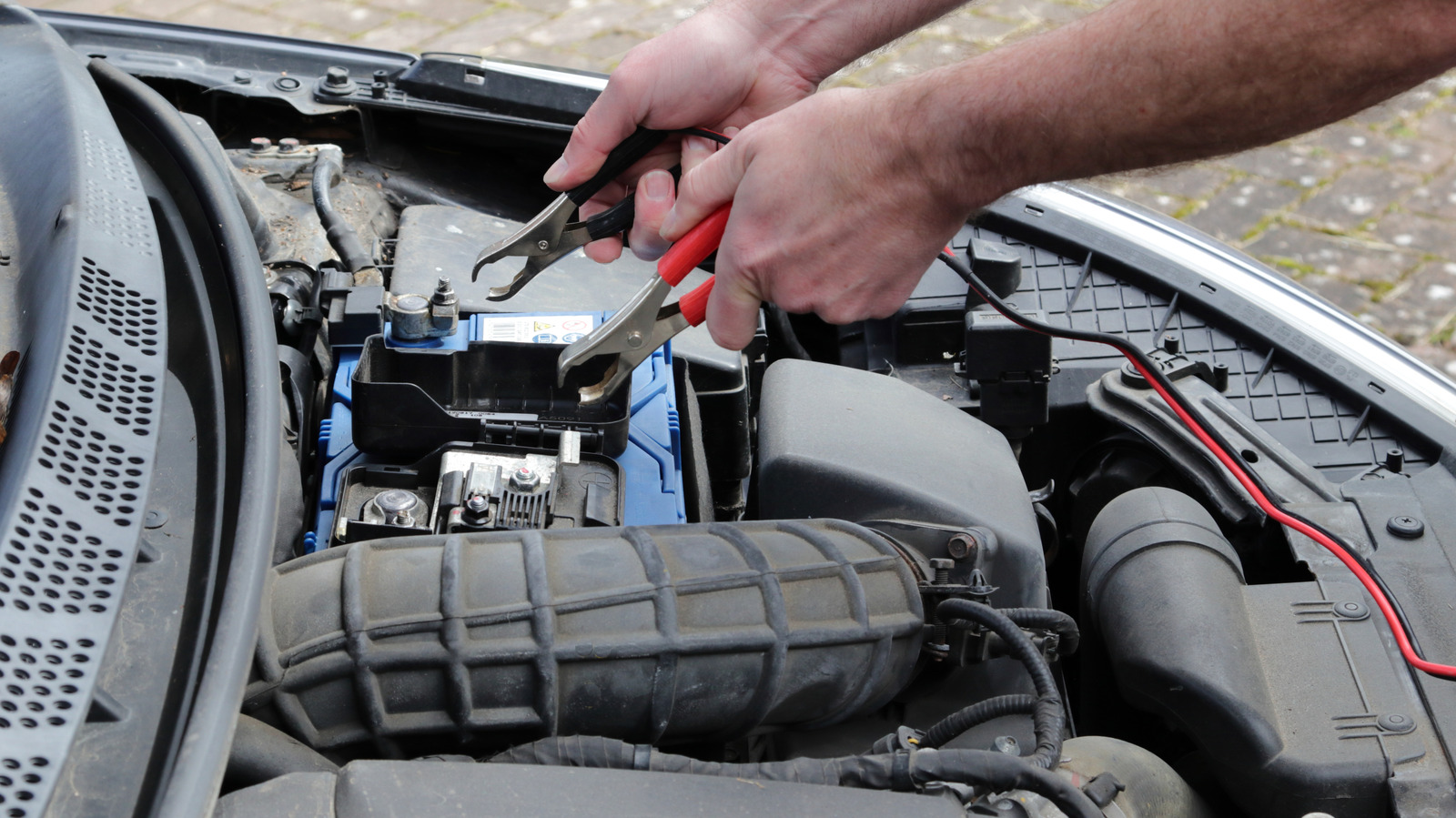
Once you've found the battery, plug in the charger and ensure it's turned off. Next, attach the red lead to the battery's positive terminal and clamp the black cable to the negative terminal. On a battery that's completely drained, it's generally safe to attach the negative lead directly to the terminal. However, there is a safer way to do it.
In almost all modern vehicles, the negative battery terminal connects directly to the car's chassis. This means manufacturers don't need to run individual return wires for every part back to the battery. Instead, the vehicle's frame doubles as a shared return wire, reducing wiring complexity and weight. This means you can charge a car's battery by connecting the black lead to the chassis, since connecting it directly to the negative terminal can trigger a spark and an explosion, though that's unlikely.
📊 Industry & Real-World Impact
Once everything is connected, just turn on the battery charger and wait for the magic to happen, while following the manufacturer's instructions. If you're in a rush and have a dead battery, a portable jump-start pack is another option. Though generally more expensive, these packs deliver enough power to start a vehicle without waiting around. Alternatively, car owners who don't drive their vehicles frequently can invest in a trickle charger.
Benchmark Telemetry & EV Fuel Savings
Put top supercars and EVs to the test in The Pit Stop Lab — launch head-to-head 1/4-mile drag strip battles & compute EPA electric fuel cost savings.
⚡ Prefer Visual Stories on Mobile?
Experience this news piece in an interactive 5-slide visual format crafted for mobile devices & Google Discover.
🔮 Strategic Outlook & What Lies Ahead
I did just that the other week, buying a Noco Genius 2X2 that doubles as a battery charger and a trickle charger, which can maintain two car batteries at once. If you have a car that doesn't get driven frequently, a trickle charger is a great idea, as it keeps the battery fully topped up and ready to go. Advanced trickle chargers can be left plugged in and connected to a battery indefinitely, monitoring the battery's natural discharge rate and adding charge as required.