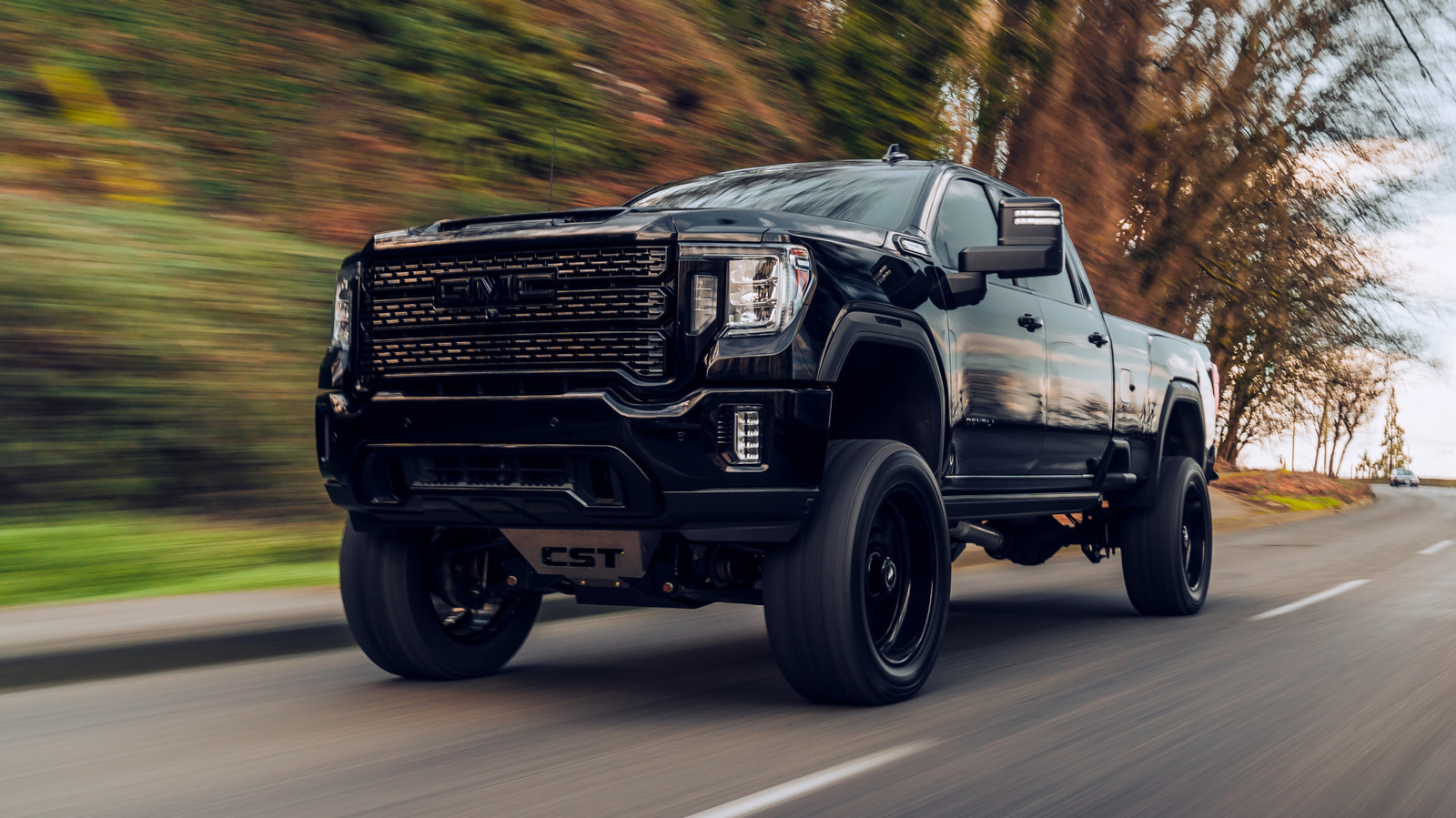
The current state of fueling your diesel pickup in America is positively abysmal. With the national average holding steady at over six dollars for a gallon, and some places on the West Coast seeing pricing above eight dollars, it's never been more expensive to simply drive around. Even my relatively light, aerodynamic, and efficient Porsche Cayenne Diesel is suffering under the weight of $200 fill-ups at the moment. An absurd ongoing war with Iran is holding all of us hostage at the fuel pumps, and there's no amount of importing oil from Russia, selling "red diesel" for road use , or short-term fuel tax holidays that can ease the pain.
📌 The Core Development
There are plenty of reasons for buying a diesel truck or SUV, but these reasons tend to get less convincing as the cost of driving rises exponentially. I bought my Cayenne because I thought I would be towing a whole lot more than I actually am, but fuel costs (along with the inflationary response of the market) are pricing me out of the motorcycle track days I promised myself in the spring that I would be doing all summer. My recent trip to Alaska was budgeted for about half what I ended up spending on fuel, to the tune of hundreds of dollars.
I think the time has come to turn our backs on diesel and try to figure out an alternative. Maybe you still need your truck for heavy-duty hauling and towing jobs, which is what they're built for. But the truck should serve as a tool to be used sparingly, supplemented by something more fuel efficient when the Super Duty doesn't call. Here are some money-saving alternatives for your next trip that will help you get where you need to be without paying big bucks to get there.
🔍 Background & Sector Context
I'm not saying you have to immediately give up your truck and buy something electric, but there has never been a better time to get a used EV. If you can fit one into your life, they can be excellent transportation tools . Used prices are up slightly for EVs in the last few months, but there's still a pretty good supply of them out there and, for the most part, they're much less expensive than they once were. The American charging infrastructure is robust and relatively easy to figure out. More than anything, EVs are incredibly cheap to drive and maintain.
Let's look at a real-world example. My 2013 Porsche Cayenne Diesel returns an observed average of about 29 mpg in the real world. With Ohio's current statewide average gallon price at $6.06, that translates to about 21 cents per mile of driving, not accounting for increasing maintenance, insurance, and registration costs. A modern electric commuter, say a new base model Nissan Leaf, achieves around 3 miles per kilowatt-hour of electricity. The average residential rate of electricity in Ohio is 18.04 cents per kWh, meaning that each of those miles costs about 6 cents. This is a bit of an apples to oranges comparison when it comes to each vehicle's capabilities, but purely for cost of driving, the Leaf is a clear advantage. Driving the Cayenne 10,000 miles costs $2,100 in fuel, while the same mileage in the Leaf is just $600.
📊 Industry & Real-World Impact
If you aren't ready for a full EV experience, driving a plug-in hybrid can deliver similar fuel savings around town, and the gasoline engine allows you to continue driving long-distance as though it were a regular gas car. It's kind of the best of both worlds. In a two-vehicle household, it typically makes financial sense to have one with a plug.
⚡ Prefer Visual Stories on Mobile?
Experience this news piece in an interactive 5-slide visual format crafted for mobile devices & Google Discover.
🔮 Strategic Outlook & What Lies Ahead
You might remember hearing some scuttle about waste vegetable oil conversions for diesel vehicles back during the 2008 financial crisis. People were looking for ways to reduce their spending and found that the proliferation of fried fast food throughout the nation was potentially a good source of fuel. The used oil from a deep fryer could be filtered and burned in a diesel vehicle almost as though it were fresh out of the pump .
Sometimes restaurants will just give it to you, as they're required to pay someone to cart it away for recycling, but if enough people in your area start needing WVO for their diesels, the restaurants (or opportunistic employees) may start charging for the privilege. Even at a buck a gallon, you're getting it significantly cheaper than at the pump. You will also need to build yourself a purifying filter system at home, which can be messy and dangerous.