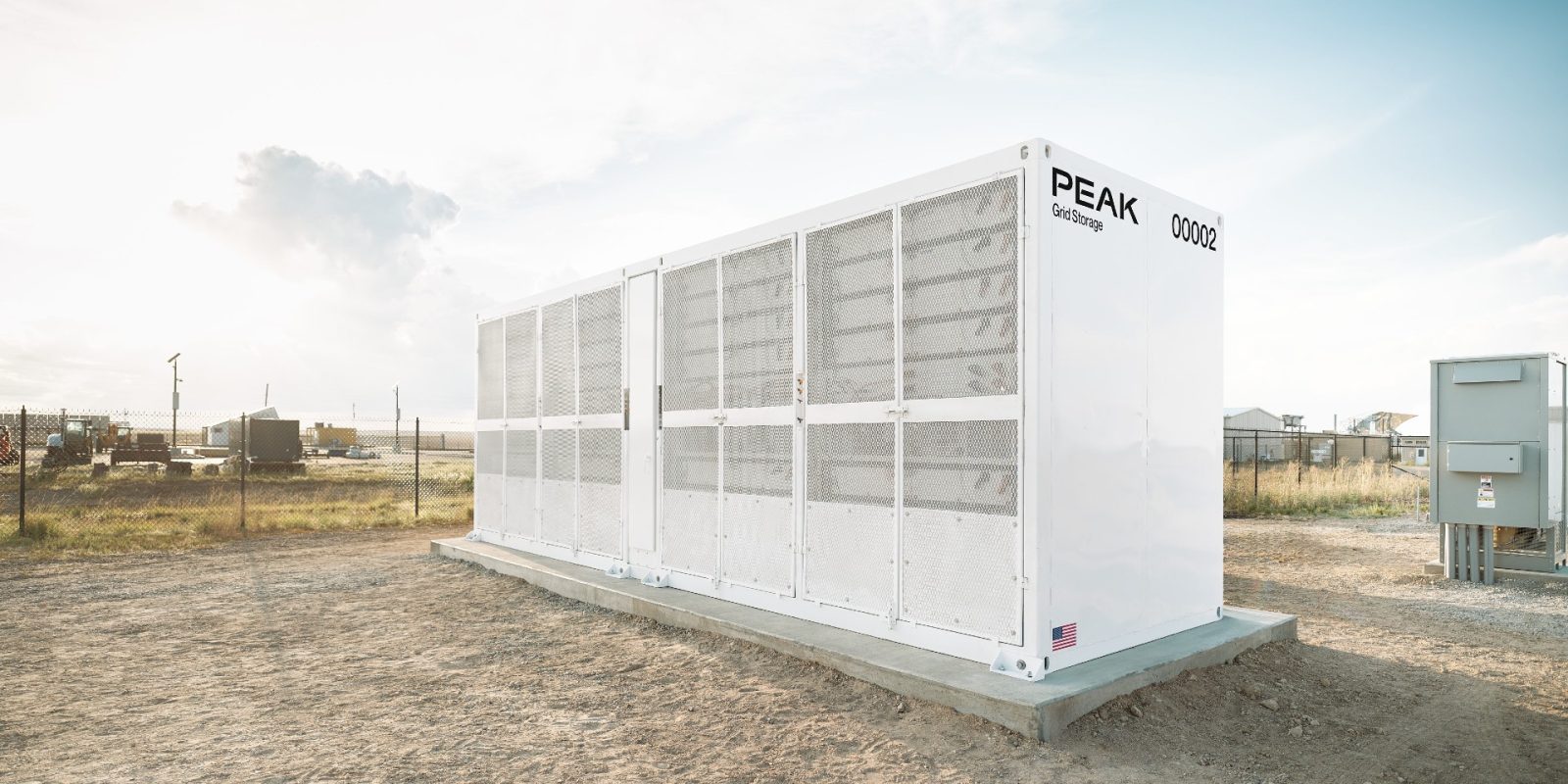
GM has partnered with Peak Energy to develop next-generation sodium-ion battery cells, but they’re not going into EVs – they’re for grid-scale energy storage projects. GM Ventures is making a strategic investment in Peak Energy.
📌 The Core Development
June 10, 2026: Under the partnership, GM will develop the sodium-ion cells in its Michigan battery labs and retain exclusive manufacturing rights. Peak Energy will integrate the cells into its battery storage systems as it ramps up US manufacturing.
The companies are targeting a market that’s growing rapidly as utilities add battery storage to support renewable energy, rising electricity demand, and the buildout of data centers and AI infrastructure.
🔍 Background & Sector Context
Today’s stationary storage market is dominated by lithium-iron phosphate (LFP) batteries. But Peak Energy believes sodium-ion batteries can deliver a lower-cost alternative for grid applications, where energy density is less important than cost, reliability, and safety.
A key part of Peak’s pitch is its passively cooled battery storage platform. Conventional LFP battery systems require active cooling equipment to maintain safe operating temperatures, adding cost and complexity. Peak says its system eliminates those cooling systems entirely.
📊 Industry & Real-World Impact
According to the company, its sodium-ion platform can reduce energy storage costs by 20% compared with conventional systems while delivering more than 99% uptime.
⚡ Prefer Visual Stories on Mobile?
Experience this news piece in an interactive 5-slide visual format crafted for mobile devices & Google Discover.
🔮 Strategic Outlook & What Lies Ahead
Peak also argues that its design wastes less energy. It estimates that replacing conventional LFP storage systems with its passively cooled technology could reduce annual battery-storage energy waste in the US by up to 2 terawatt-hours. That’s enough electricity to power a mid-sized city for a year.
GM’s vice president of battery and sustainability, Kurt Kelty, said sodium-ion is a strong fit for stationary storage.