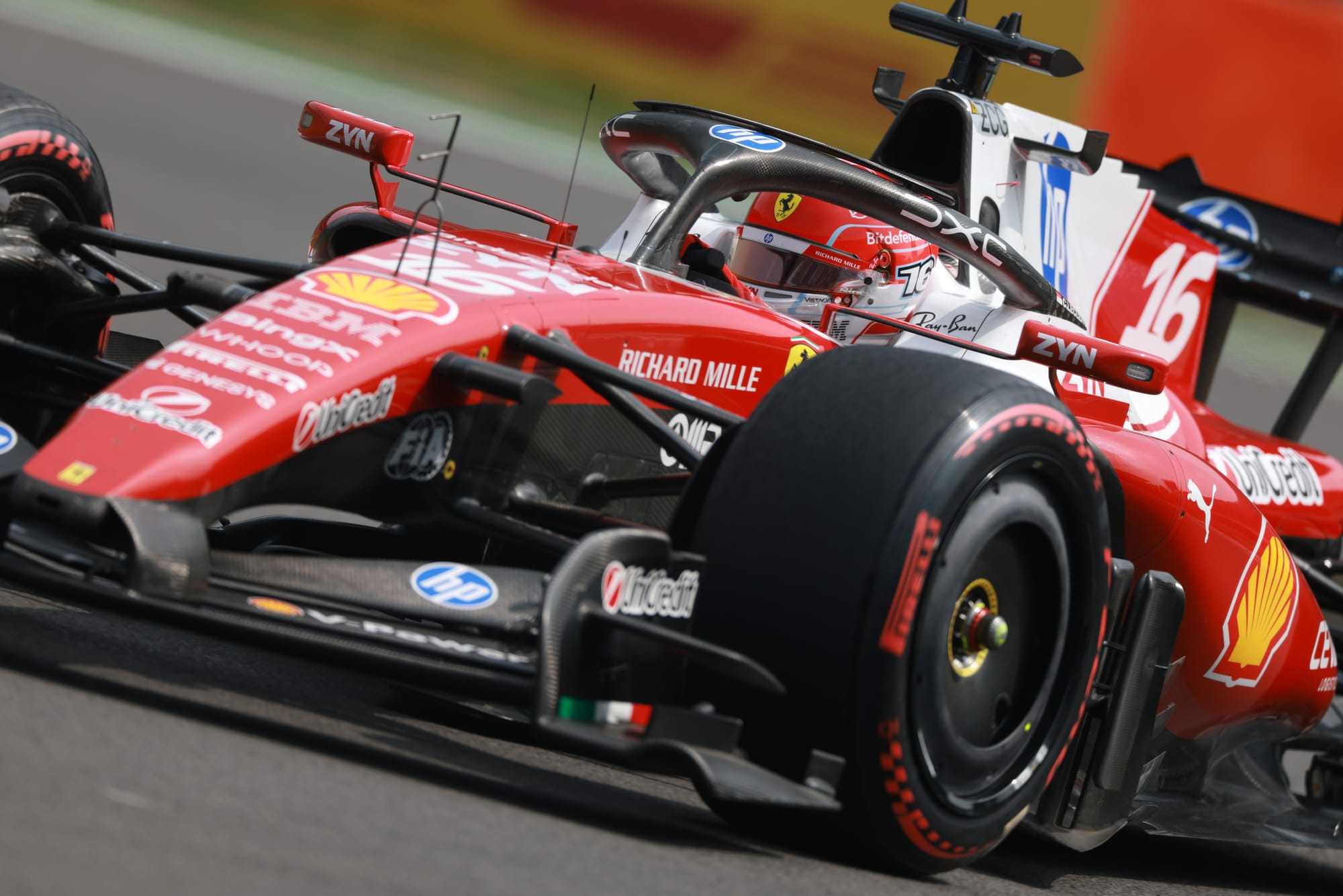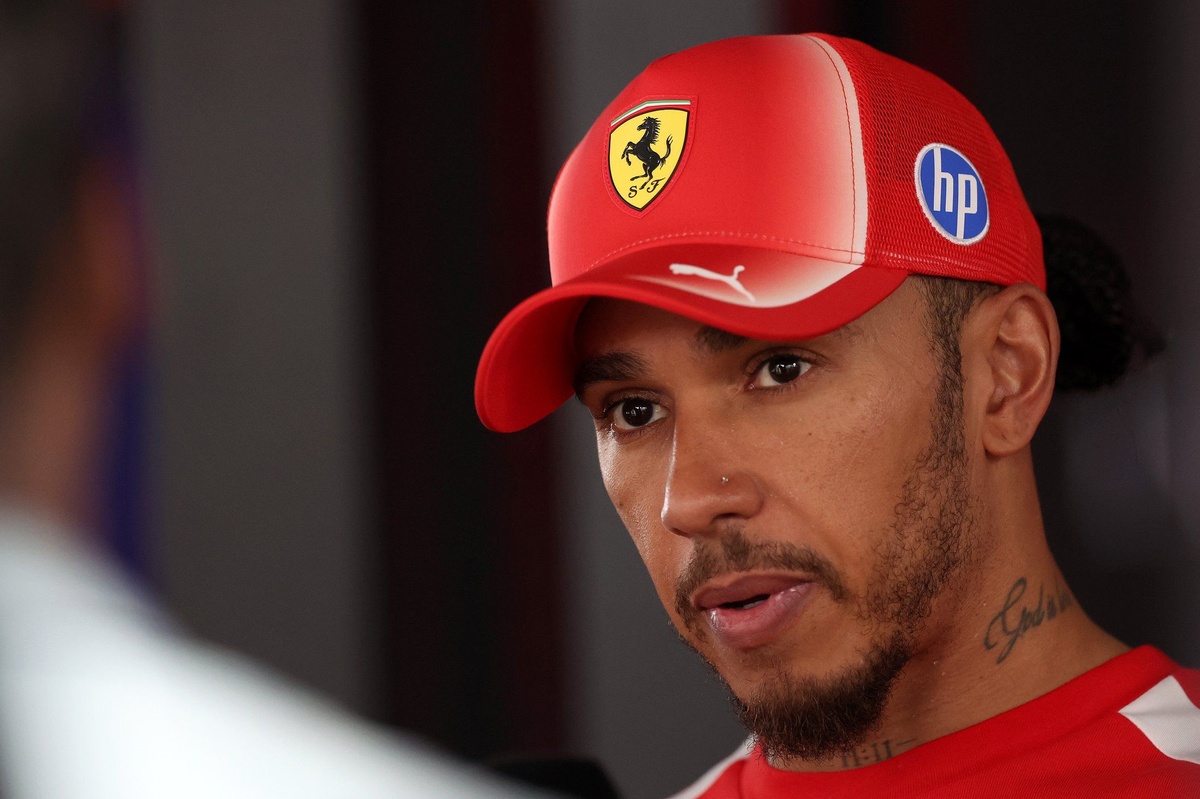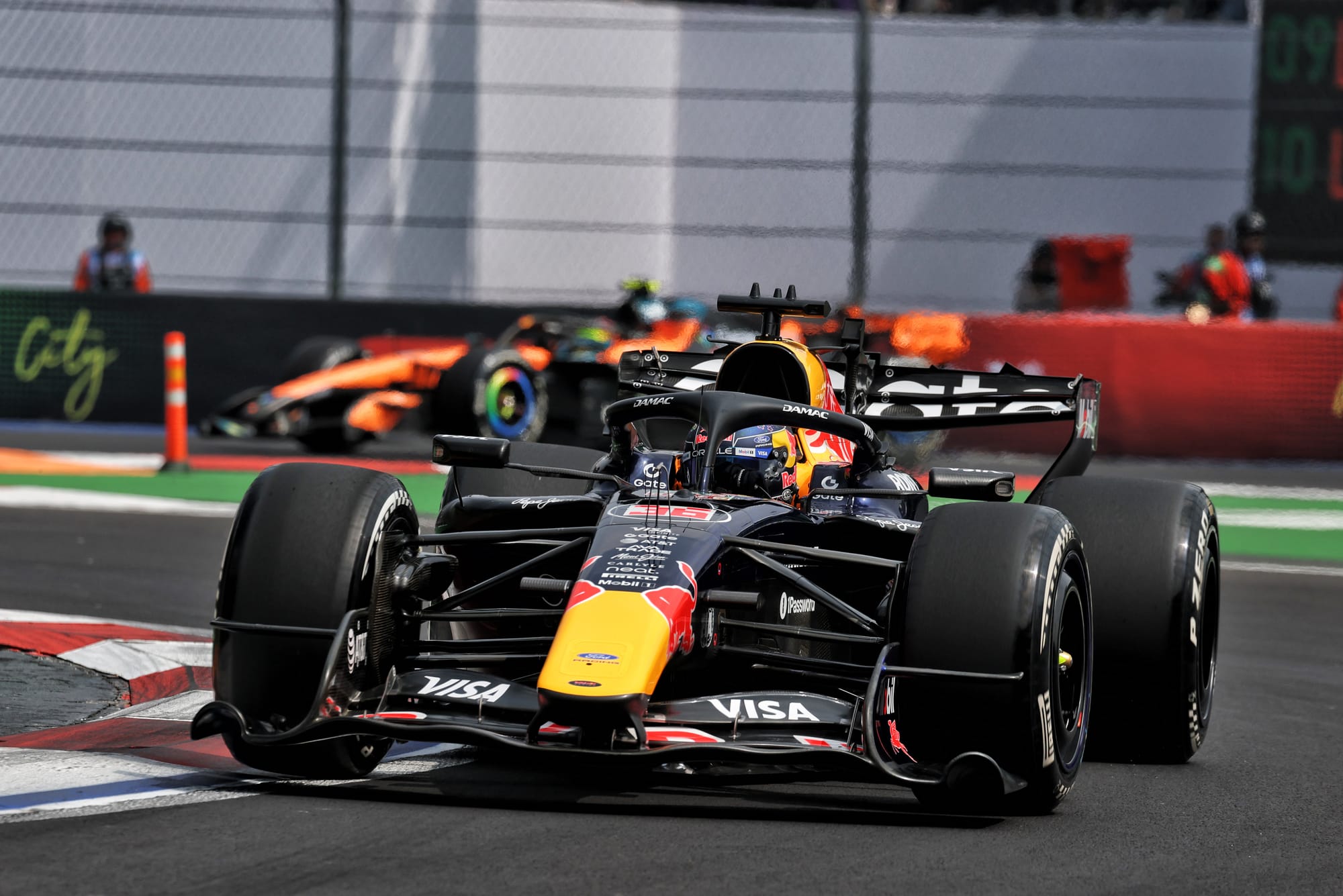
Almost half the grid were stand-in drivers for the Mexican Grand Prix's FP1!
📌 The Core Development
Obviously that has implications for the drivers having to sit out that session, too. And that's before you consider the complexity of the high altitude and new lower-downforce 2026 cars at a track where that downforce is so crucial.
🔍 Background & Sector Context
1 Charles Leclerc (Ferrari) 1m18.128s 2 Kimi Antonelli (Mercedes) +0.659s 3 Fred Vesti (Mercedes) +0.733s 4 Lewis Hamilton (Ferrari) +0.738s 5 Ayumu Iwasa (Red Bull) +0.985s 6 Pierre Gasly (Alpine) +1.082s 7 Fernando Alonso (Aston Martin) +1.229s 8 Oscar Piastri (McLaren) +1.248s 9 Ollie Bearman (Haas) +1.284s 10 Arvid Lindblad (Racing Bulls) +1.350s 11 Isack Hadjar (Red Bull) +1.417s 12 Nikola Tsolov (Racing Bulls) +1.476s 13 Nico Hulkenberg (Audi) +1.480s 14 Gabriele Mini (Alpine) +1.818s 15 Ryo Hirakawa (Haas) +1.854s 16 Carlos Sainz (Williams) +1.878s 17 Leonardo Fornaroli (McLaren) +2.107s 18 Sergio Perez (Cadillac) +2.267s 19 Jak Crawford (Aston Martin) +2.675s 20 Luke Browning (Williams) +2.741s 21 Freddie Slater (Audi) +2.817s 22 Colton Herta (Cadillac) +3.237s
📊 Industry & Real-World Impact
Industry insights from The Race indicate significant structural shifts underway across the motorsport & f1 tech landscape.
Benchmark Telemetry & EV Fuel Savings
Put top supercars and EVs to the test in The Pit Stop Lab — launch head-to-head 1/4-mile drag strip battles & compute EPA electric fuel cost savings.
⚡ Prefer Visual Stories on Mobile?
Experience this news piece in an interactive 5-slide visual format crafted for mobile devices & Google Discover.
🔮 Strategic Outlook & What Lies Ahead
Follow-up milestones over the coming days will clarify long-term impacts as reported by The Race correspondents.