
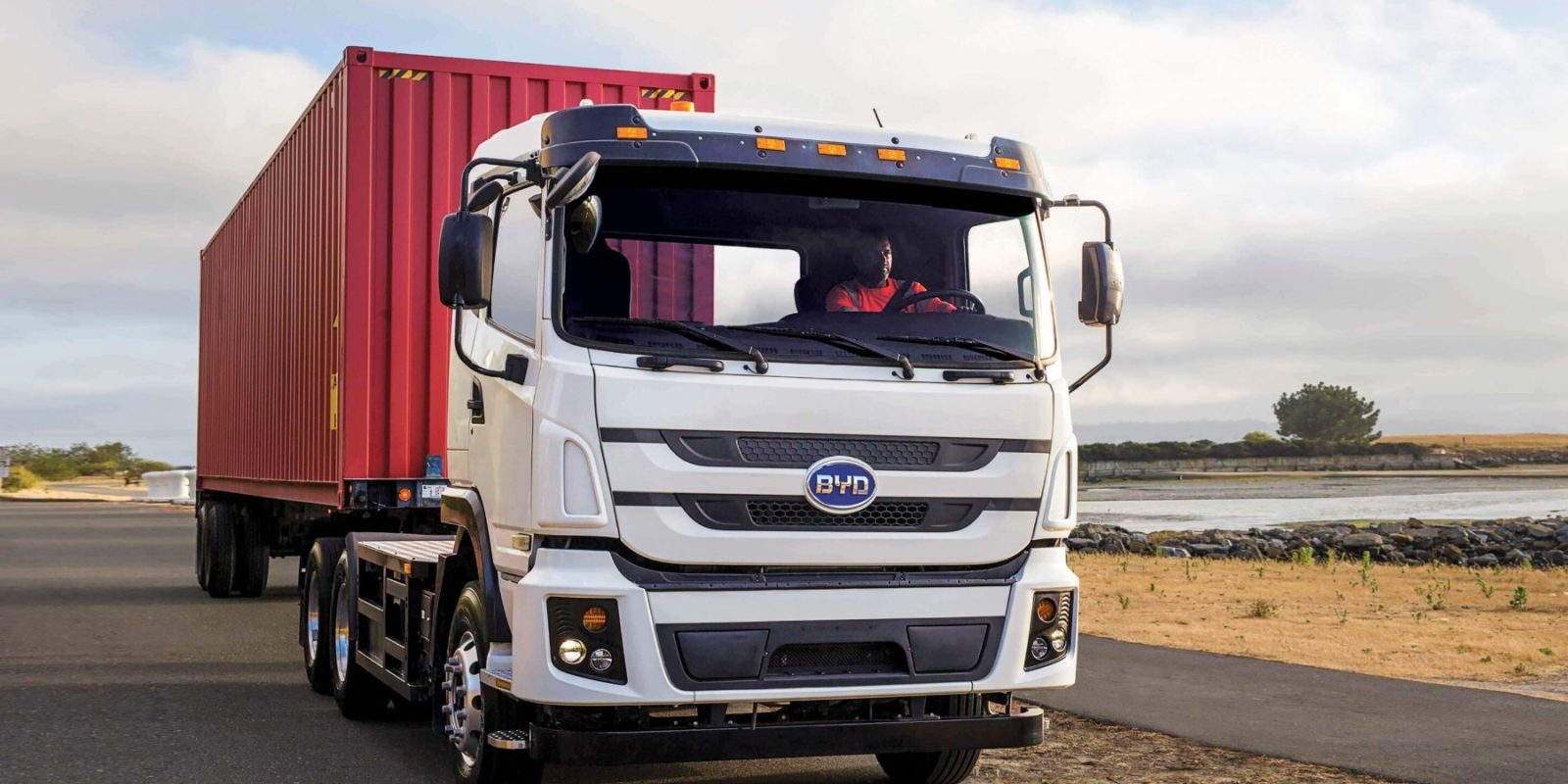
Electric trucks made up 50.3% of all heavy trucks sold in China in September. That’s 33,100 electric big rigs in a single month, up 37% from a year ago, while the overall heavy-truck market shrank by 21%.
📌 The Core Development
And it’s showing up in the oil data. China’s diesel demand is on track to fall by about 230,000 barrels per day this year, and trucks running on batteries and natural gas are doing most of the work.
In 2024, new-energy vehicles accounted for 13.6% of heavy trucks (12 tonnes and up) sold in China. In 2025, sales nearly tripled to 231,100 units, up 182%, for a 28.9% share.
🔍 Background & Sector Context
December 2025 hit 53.9%, but that was a rush. Buyers piled in before trade-in subsidies expired and new purchase tax costs kicked in, and the share dropped back to about 23% by March.
Then it came right back. Through the first nine months of 2026, China sold 226,400 electric heavy trucks, up 64%, for a 38.1% share. That’s already almost as many as in all of 2025, with a quarter still to go. In tractors, the big rigs that pull long-haul trailers, the September share hit 64.5%.
📊 Industry & Real-World Impact
That’s well ahead of Beijing’s own plan. This year, 11 government bodies set a target of 40% new-energy heavy-truck sales by 2030, along with 1.6 million of them on the road, 30,000 km of zero-carbon freight corridors and about 3,000 charging and swap stations. The market blew past that sales target four years early on a monthly basis, and CATL now says new-energy trucks will be half of China’s annual truck sales by 2028.
Benchmark Telemetry & EV Fuel Savings
Put top supercars and EVs to the test in The Pit Stop Lab — launch head-to-head 1/4-mile drag strip battles & compute EPA electric fuel cost savings.
⚡ Prefer Visual Stories on Mobile?
Experience this news piece in an interactive 5-slide visual format crafted for mobile devices & Google Discover.
🔮 Strategic Outlook & What Lies Ahead
It comes down to cost. In most uses, an electric heavy truck in China is now cheaper to own and run than a diesel one, and fleets run that math every day.
CATL claims savings of about 0.6 yuan per km. Independent numbers are more measured, but still favorable: a study by the ICCT and China’s CATARC found battery-electric trucks about 19% cheaper per tonne-km than diesel in good conditions, though they lose that edge at low annual mileage or when battery weight eats into payload.


