J. Wellington Wimpy, of Popeye comics fame, had a favorite expression. It went like this: “I will gladly pay you Tuesday for a cheeseburger today.” As the Earth gets hotter and hotter, most countries have made commitments to reduce their climate warming emissions by 2030, or 2050, or 2077, or 2100. Their position papers and high level speeches are filled with passionate promises and flowery language, but their actions seldom match their pious protestations.
📌 The Core Development
This week, Canada and the EU both backed away from their existing commitments to reduce motor vehicle emissions. Oh, they still promise to get around to it, just not now, while political turmoil is roiling their economies. The promises will be kept — make no mistake about that — just not now. They need breathing room to attend to the high prices resulting from America’s failed effort to wipe Iran off the map and to address extreme right wing movements who threaten to bring down their governments. There are always plenty of reasons to delay, delay, and delay some more.
According to Canadian website Electric Autonomy , the government of Canada this week announced a freeze on its vehicle emissions mandates for three years, while promising to still reach its goal of 75 percent of new car sales to be electric by 2035. That and three loonies will get you a doughnut at Tim Horton’s.
🔍 Background & Sector Context
The current standard is 172 grams of greenhouse gas emissions per mile (107 grams/km) and it will remain at the level now through the end of 2029. Thereafter, God willing and the creek don’t rise, the standard will begin ratcheting down every year until it reaches 74 grams per mile (46 grams/km).
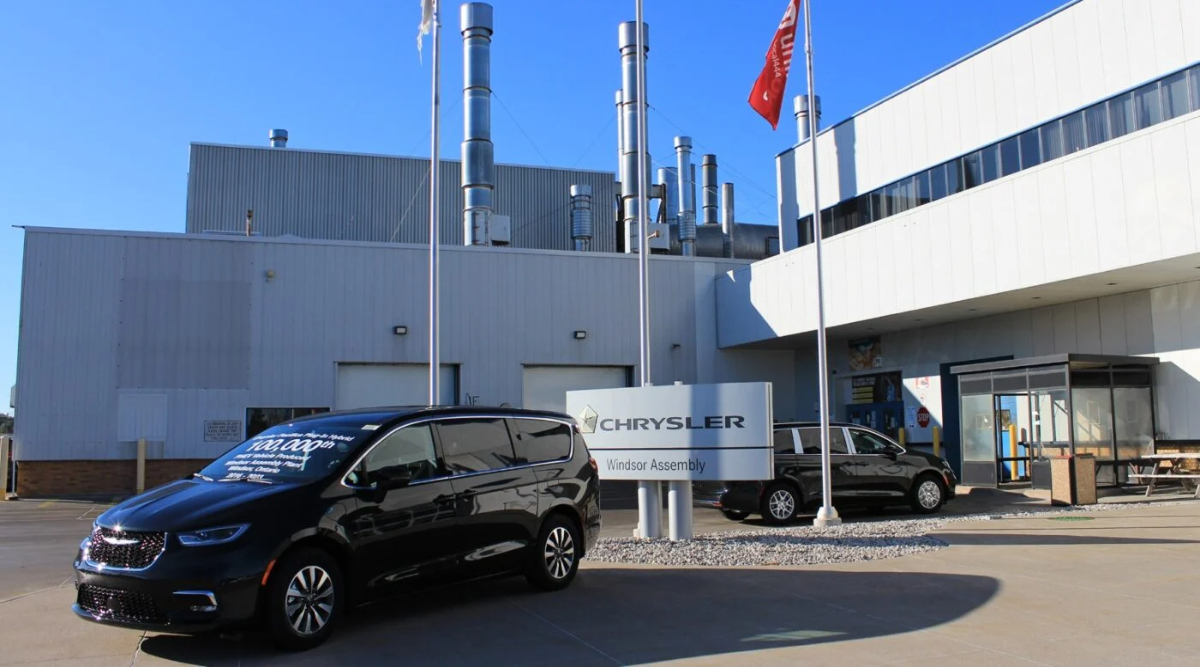
A joint release by prime minister Mark Carney and Ontario premier Doug Ford said, “Maintaining the fleet average performance standard will provide manufacturers with near-term flexibility at a time when the industry is facing trade-related pressures. It will also provide the ability to generate greenhouse gas credits for use in later years, while continuing to improve emissions performance and fuel economy over time.” In addition to the revised emissions timeline, the federal and Ontario governments are investing $2.5 billion over two years to support capital projects by Canadian auto manufacturers.
📊 Industry & Real-World Impact
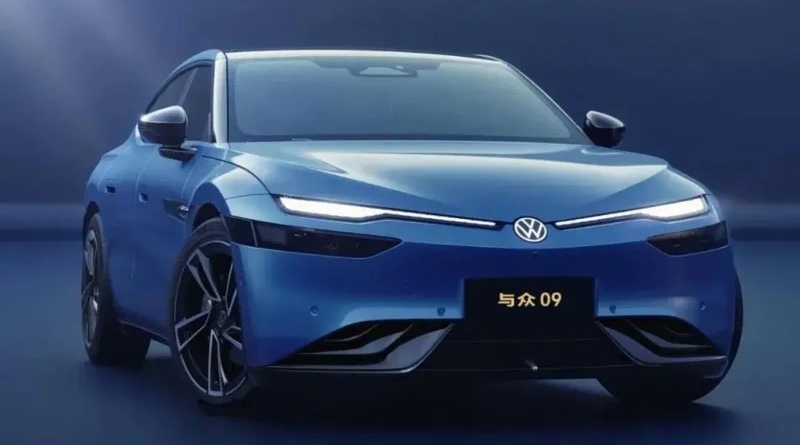
Reaction to the new policy has been mixed. Climate activists are disappointed to see any retreat from the emissions standards that were in place, since the new rules will undermine the transition to electric cars. Industries hoped the announcement would bring a sense of direction, clarity, and certainty to the future. In any event, Chinese manufacturers are waiting in the wings, as Canada has opened a door for up to 49,000 Chinese EVs to be imported with only a 6.1 percent tariff.
⚡ Prefer Visual Stories on Mobile?
Experience this news piece in an interactive 5-slide visual format crafted for mobile devices & Google Discover.
🔮 Strategic Outlook & What Lies Ahead
“[T]he decision to pause any increase in the regulation until model year 2030 puts significantly more pressure on the policy’s later years and could undermine success down the road,” Clean Energy Canada said in a statement. “The unexpected delay will impact the potential benefits of stronger EV uptake, including thousands in fuel cost savings for households and up to $21 billion in charging industry investments. At the same time, Canadian communities will face the increased health costs and impacts from worse air quality.”
Pembina Institute , a British Columbia based clean energy advocacy group, took issue with the new policy, claiming it will make it virtually impossible for Canada to achieve its EV goals. “Earlier this year, the federal government promised stronger vehicle pollution standards starting in 2027, but they are now delaying that to 2029. This makes its goal of 75 per cent EVs by 2035 next to impossible, delaying progress toward giving Canadians more affordable vehicle choices.”